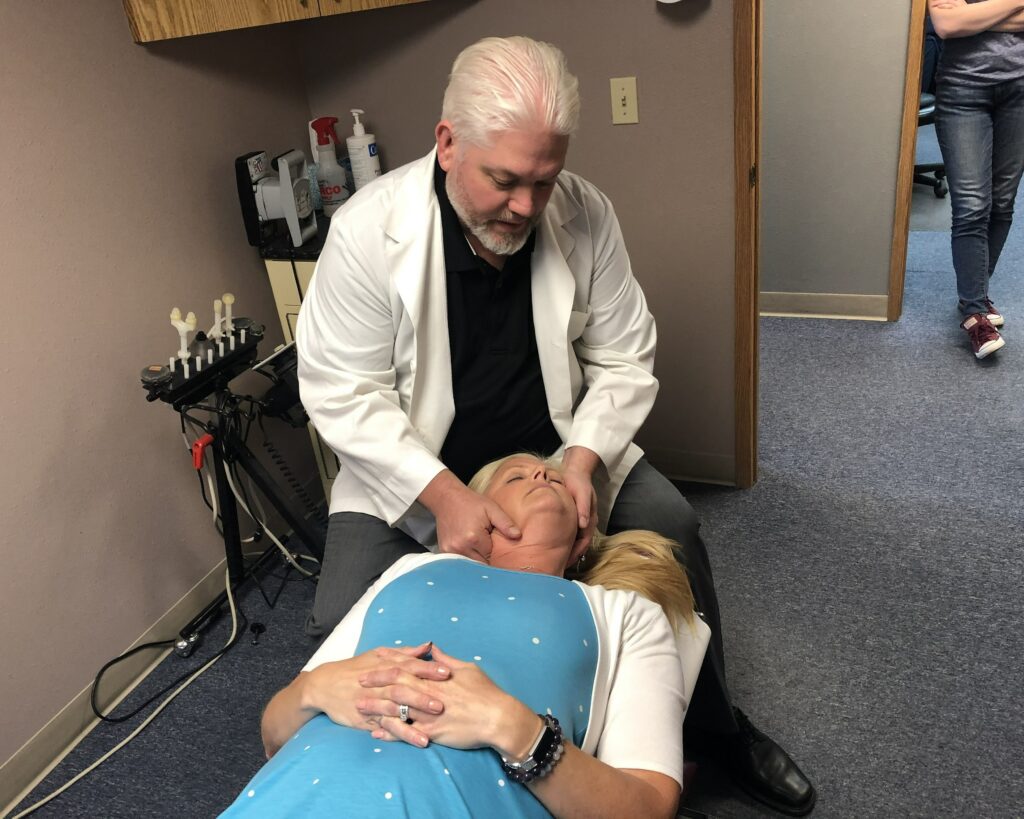

When you think about disease prevention, you might not immediately consider chiropractors, but their role is more significant than you might realize. By focusing on your spinal health and its connection to the nervous system, they can enhance your body's natural healing processes. This isn't just about adjustments; it involves lifestyle changes, nutritional advice, and stress management techniques that empower you to take charge of your health. As you explore this topic further, you might uncover surprising insights on how chiropractic care can contribute to a healthier future.
Understanding Chiropractic Philosophy
Although many people associate chiropractic care primarily with pain relief, its underlying philosophy encompasses a broader approach to health and wellness. At its core, chiropractic care emphasizes the body's innate ability to heal itself. You might find this perspective invigorating, as it encourages an active role in your health journey rather than merely addressing symptoms.
Chiropractors believe that peak health stems from a balanced body and a well-functioning nervous system. They focus on the relationship between the spine and overall health, advocating for regular adjustments to maintain alignment. This philosophy isn't just about fixing what's broken; it's about fostering a lifestyle that promotes well-being and prevents disease.
When you think about your health, consider how chiropractic care encourages you to be proactive. It invites you to engage in healthy habits that support your body's natural functions. Regular chiropractic visits can help you identify issues before they develop into larger problems, allowing you to take charge of your health.
Moreover, chiropractors often emphasize the importance of nutrition, exercise, and stress management as essential components of wellness. By adopting these practices, you're not just targeting pain relief but embracing a holistic approach that can enhance your quality of life.
This mindset empowers you to make informed choices that align with your health goals, ensuring that you're not just surviving but thriving. In this way, chiropractic philosophy serves as a valuable partner in your journey toward better health and disease prevention.
The Spine and Nervous System
Understanding the connection between the spine and nervous system is fundamental to chiropractic care. Your spine acts as a protective casing for the spinal cord, which is a major component of the nervous system. When the spine is misaligned, it can interfere with the proper functioning of your nervous system, leading to various health issues.
Chiropractors focus on correcting these misalignments, known as subluxations, to restore ideal communication between your brain and body.
Every organ and tissue in your body relies on nerve signals for function. If your spine is out of alignment, it can cause nerve interference, resulting in pain, discomfort, or even disease. By realigning your spine through adjustments, chiropractors aim to alleviate pressure on nerves, allowing your body to heal itself naturally.
This process helps improve overall function and can prevent future health problems.
Many people underestimate the importance of spinal health. Strengthening your spine can enhance your immune system, boost energy levels, and improve your overall well-being.
Regular chiropractic care can be a proactive measure in maintaining spinal health, helping you avoid potential complications down the line.
Holistic Approach to Health
A holistic approach to health recognizes that every aspect of your life impacts your well-being. This perspective goes beyond merely treating symptoms to understanding the interconnectedness of physical, emotional, and social factors. When you seek care from a chiropractor, they'll often consider not just your spine but how your lifestyle, stress levels, and nutrition play roles in your overall health.
Chiropractors focus on optimizing your body's alignment and function, but they also encourage you to explore how your daily habits affect your wellness. This might involve discussing your exercise routine, sleep quality, and even your emotional state. By addressing these elements, chiropractors empower you to take a more active role in your health journey.
You're encouraged to view your body as a whole system rather than a collection of parts. When one area is out of balance, it can affect others. For instance, chronic pain may lead to poor sleep, which in turn affects your mood and productivity. By recognizing these connections, you can make more informed choices about your health.
Chiropractors often advocate for a balanced lifestyle that includes regular physical activity, proper nutrition, and stress management techniques. They may suggest practices like mindfulness or yoga to enhance your mental and emotional well-being.
Lifestyle Modifications for Prevention
Preventive health hinges on making proactive lifestyle modifications that can considerably reduce the risk of disease. You have the power to influence your well-being through your daily choices.
Start by incorporating regular physical activity into your routine. Aim for at least 150 minutes of moderate exercise each week. This can include walking, cycling, or swimming—whatever keeps you moving and engaged.
Next, prioritize quality sleep. Sleep plays a vital role in your body's ability to recover and function effectively. Establish a consistent sleep schedule and create a restful environment to improve your sleep quality. Reducing screen time before bed can also help.
Don't underestimate the importance of stress management. Chronic stress can lead to various health issues, so incorporate relaxation techniques such as meditation, deep breathing, or yoga into your daily life. These practices can help you stay grounded and reduce anxiety.
Another key aspect of lifestyle modifications is maintaining a healthy weight. Staying within a healthy weight range can lower the risk of numerous diseases, including diabetes and heart disease. This often involves a combination of regular exercise and mindful eating practices.
Lastly, surround yourself with a supportive community. Engage with friends and family who encourage your healthy habits. This social support can make it easier to stick to your lifestyle changes.
Nutritional Guidance and Wellness
Nutritional guidance plays a crucial role in your overall wellness and can greatly impact your long-term health. As you work with a chiropractor, they'll provide insights tailored to your dietary needs, helping you understand how nutrition affects your body and mind.
You mightn't realize it, but what you eat can influence your immune system, inflammation levels, and even your mood. Your chiropractor can help you identify foods that promote healing and those that might exacerbate your health issues. By focusing on whole, nutrient-dense foods, you can enhance your body's ability to fend off illness and maintain optimal function.
Incorporating a balanced diet rich in fruits, vegetables, lean proteins, and healthy fats is key. Your chiropractor may suggest specific dietary changes, such as increasing omega-3 fatty acids for better joint health or reducing processed sugars to maintain stable energy levels.
They'll also encourage you to stay hydrated, as proper hydration is essential for every cell in your body.
Moreover, understanding portion sizes and mindful eating can help you develop a healthier relationship with food. Your chiropractor can guide you in setting realistic goals, making gradual changes that can have lasting effects.
Stress Management Techniques
Managing stress is essential for your overall health, and incorporating mindfulness and relaxation practices can make a big difference.
You'll also find that regular physical activity not only boosts your mood but helps reduce anxiety.
Let's explore these effective techniques together.
Mindfulness and Relaxation Practices
When life gets overwhelming, incorporating mindfulness and relaxation practices into your routine can be a game-changer for stress management. These techniques help you center your thoughts and calm your mind, making it easier to handle daily pressures. Start by setting aside just a few minutes each day for mindfulness exercises.
You might try deep breathing exercises, where you inhale deeply through your nose, hold for a few seconds, and exhale slowly through your mouth. This simple practice can greatly reduce anxiety levels. Alternatively, consider guided meditation apps that offer sessions tailored to your needs.
Journaling is another powerful tool. By writing down your thoughts and feelings, you create space for reflection and clarity. You might also explore yoga, which combines physical movement with deep breathing, promoting relaxation and mental focus.
Don't forget the power of nature; spending time outdoors can ground you and enhance your mood.
Physical Activity Recommendations
Incorporating physical activity into your routine can greatly enhance your stress management efforts. Regular exercise not only improves your physical health but also boosts your mood and reduces anxiety. Aim for at least 150 minutes of moderate aerobic activity each week, like brisk walking or cycling. If you're short on time, breaking this into smaller sessions throughout the week can still be effective.
Strength training is another vital component. Include resistance exercises at least two days a week to build muscle and improve overall body function. You don't need to lift heavy weights; bodyweight exercises like push-ups and squats work just fine.
Additionally, consider activities that promote relaxation and mindfulness, such as yoga or tai chi. These practices combine physical movement with mental focus, making them excellent for stress reduction.
It's essential to find activities you enjoy, as you're more likely to stick with them. Whether it's dancing, swimming, or hiking, make it fun!
Exercise and Physical Activity
Regular exercise and physical activity play an essential role in maintaining overall health and preventing various diseases. When you engage in regular physical activity, you not only improve your cardiovascular health but also boost your immune system. This can help reduce your risk of chronic conditions like heart disease, diabetes, and even some cancers.
Chiropractors often emphasize the importance of movement in their practice. They understand that proper alignment and mobility are significant for ideal function. When you exercise, you enhance your strength, flexibility, and balance, which can prevent injuries and improve your quality of life. Chiropractors may recommend specific exercises tailored to your individual needs, ensuring that you're engaging in activities that support your spine and joints.
Incorporating a variety of exercises into your routine is key. Aerobic activities, like walking or swimming, elevate your heart rate and improve endurance. Strength training helps build muscle, which is essential for maintaining a healthy metabolism.
Don't forget about flexibility exercises, such as yoga or stretching, which can enhance your range of motion and reduce muscle tension.
It's important to listen to your body and choose activities you enjoy. When you find pleasure in exercise, you're more likely to stick with it long-term.
Working with a chiropractor can help you create a balanced exercise plan that not only supports your musculoskeletal health but also contributes to your overall well-being. So, get moving and take charge of your health today!
Community Health Education
Community health education plays an essential role in empowering individuals to take charge of their health and well-being. As a chiropractor, you're in a unique position to educate your community about the importance of maintaining a healthy lifestyle. Through workshops, seminars, or one-on-one consultations, you can provide valuable information on nutrition, exercise, and preventive care.
By sharing your expertise, you help people understand how their daily choices impact their overall health. For instance, you can explain the benefits of regular physical activity, proper posture, and ergonomic habits. When your patients grasp these concepts, they're more likely to adopt healthier behaviors that can prevent diseases.
Additionally, you can address common misconceptions about chiropractic care. By clarifying what you do and how it contributes to wellness, you build trust and encourage individuals to seek help for their ailments before they become more serious issues. This proactive approach not only enhances individual health but also reduces the burden on healthcare systems.
Encouraging community involvement is another way to promote health education. You might organize local events, such as health fairs or free screening days, where individuals can learn about various health topics and access resources. These initiatives foster a sense of community and create a supportive environment for individuals aiming to improve their health.
Ultimately, through community health education, you're not just treating symptoms; you're empowering people to lead healthier lives, fostering a culture of wellness that benefits everyone.
Collaborating With Other Healthcare Providers
By working alongside other healthcare providers, you can create a more extensive approach to patient care that emphasizes disease prevention. Collaboration with physicians, physical therapists, nutritionists, and other specialists allows you to address various aspects of a patient's health holistically. This teamwork guarantees that all angles are considered, leading to more effective prevention strategies.
For instance, if a patient presents with chronic back pain, you might work with their primary care physician to rule out underlying medical issues. This cooperation enhances your ability to tailor treatment plans specifically for that patient, focusing on lifestyle modifications that could prevent further complications.
You can also share insights with nutritionists to help patients adopt diets that support their musculoskeletal health.
Moreover, collaborating with physical therapists can help you design exercise regimens that not only alleviate pain but also strengthen the body, reducing the risk of future injuries. Regular communication with these professionals fosters a supportive network that encourages patient adherence to preventive measures.
Engaging in multi-disciplinary meetings can also keep everyone updated on a patient's progress, allowing for real-time adjustments to care plans. This collaboration minimizes the risk of fragmented care, which can lead to missed opportunities for disease prevention.
Ultimately, effective teamwork in healthcare enables you to provide all-encompassing care that empowers patients to take charge of their health, preventing diseases before they occur. By fostering these relationships, you're not just treating symptoms; you're creating a culture of health and wellness.
Long-term Benefits of Chiropractic Care
When you choose chiropractic care, you're not just addressing immediate pain; you're also enhancing your overall health.
Regular adjustments can lead to improved immune function and better posture alignment, which are essential for long-term wellness.
These benefits can help you maintain a healthier lifestyle and prevent future issues.
Enhanced Immune Function
Regular chiropractic care can greatly enhance your immune function, contributing to long-term health benefits. When your spine is aligned properly, it allows your nervous system to communicate effectively with your immune system. This improved communication helps your body respond more efficiently to infections and diseases.
Chiropractors focus on removing subluxations—misalignments in your spine that can hinder your body's natural ability to heal. By correcting these misalignments, you may experience a boost in your immune response. Research suggests that regular adjustments can increase the production of immunoglobulin, a key antibody that fights off pathogens.
Additionally, chiropractic care reduces stress, which is known to weaken the immune system. When you're under stress, your body produces cortisol, a hormone that can suppress immune function. By promoting relaxation and reducing tension, chiropractic adjustments can help keep your immune system strong.
Incorporating chiropractic care into your health routine can lead to fewer illnesses and a quicker recovery when you do get sick. By prioritizing your spinal health, you're taking a proactive step towards a more resilient immune system, ensuring you're better equipped to handle whatever comes your way.
Improved Posture Alignment
Chiropractic care not only boosts your immune function but also plays a significant role in improving posture alignment. When your spine is correctly aligned, it supports ideal posture, which is essential for your overall health. Poor posture can lead to numerous issues, including chronic pain, fatigue, and even reduced lung capacity. By regularly visiting a chiropractor, you help guarantee your spine remains aligned, reducing the risk of these problems.
With improved posture, you'll likely notice increased energy levels and enhanced concentration. You'll sit, stand, and move more comfortably, which can enhance your performance in daily tasks and activities.
Additionally, proper alignment can help prevent injuries associated with repetitive strain or muscle tension caused by poor posture.
Over time, the benefits of chiropractic adjustments extend beyond immediate relief. You'll cultivate a more balanced musculoskeletal system, which can lead to long-lasting changes in your overall health.
Conclusion
In summary, chiropractors play an essential role in disease prevention by enhancing your spinal health and supporting your body's natural healing abilities. By promoting lifestyle changes, nutritional guidance, and stress management, they empower you to take charge of your well-being. Through regular adjustments and a holistic approach, you can enjoy long-term benefits that improve your quality of life. Partnering with a chiropractor not only addresses current health concerns but also helps prevent future complications, ensuring a healthier you.