
You've likely experienced how back pain can disrupt your daily life, but finding a solution isn't one-size-fits-all. By understanding the specific type of pain you're facing, along with your unique lifestyle and medical history, you can work towards a tailored approach that promises relief. From personalized exercise routines to alternative therapies, the options are diverse and can be effective. So, what are the key strategies that could bring you closer to a pain-free existence? The answers might just surprise you.
Understanding Back Pain Types
When it comes to back pain, it's essential to break down the different types to tackle the issue effectively. Understanding the specific nature of your discomfort can help you find the right approach to relief.
Generally, back pain falls into two primary categories: acute and chronic. Acute pain comes on suddenly, often due to an injury or strain, and usually lasts less than six weeks. You might feel this type of pain when lifting something heavy or after a sudden movement.
Chronic pain, on the other hand, persists for three months or longer, often developing gradually. Conditions like arthritis, herniated discs, or even lifestyle factors can contribute to chronic back pain. You may find that this type of pain affects your daily activities and overall quality of life.
Another important distinction is between mechanical and neuropathic pain. Mechanical pain is related to the structures of the spine, such as muscles, ligaments, and joints. It often worsens with certain movements and improves with rest.
Neuropathic pain, however, arises from nerve damage or irritation and can cause burning or tingling sensations that radiate down the legs.
Importance of Personalized Treatment
When it comes to back pain relief, one size definitely doesn't fit all.
You need an individual assessment to identify the specific causes of your discomfort, which allows for customized therapy approaches that work best for you.
Tailoring your treatment not only improves effectiveness but also accelerates your path to recovery.
Individual Assessment Techniques
Individual assessment techniques play an essential role in back pain relief, ensuring that treatment is tailored specifically to your needs. When you first consult a healthcare provider, they'll likely perform a thorough evaluation to pinpoint the source of your pain. This may include discussing your medical history, lifestyle, and any previous injuries that could contribute to your condition.
During the assessment, expect to undergo physical examinations that test your range of motion, strength, and flexibility. These tests help identify muscle imbalances or postural issues that might be causing discomfort. You may also be asked to perform specific movements, allowing your provider to observe how your body reacts under strain.
In addition to physical assessments, diagnostic imaging, such as X-rays or MRIs, might be recommended to visualize any underlying structural problems.
Customized Therapy Approaches
After a thorough assessment, your healthcare provider can develop customized therapy approaches tailored to your specific needs.
Personalized treatment is essential because back pain can stem from various causes, and what works for one person mightn't work for another.
Your provider may recommend a combination of physical therapy, medication, or alternative therapies based on your assessment results.
For instance, if your pain is due to muscle strain, targeted exercises and stretches can enhance recovery.
On the other hand, if your discomfort arises from spinal alignment issues, your plan might include chiropractic adjustments or specialized ergonomic advice.
Additionally, factors like your lifestyle, occupation, and personal preferences play a significant role in crafting your treatment plan.
You might find that integrating mindfulness practices or yoga can help manage stress and alleviate pain.
Physical Therapy Options
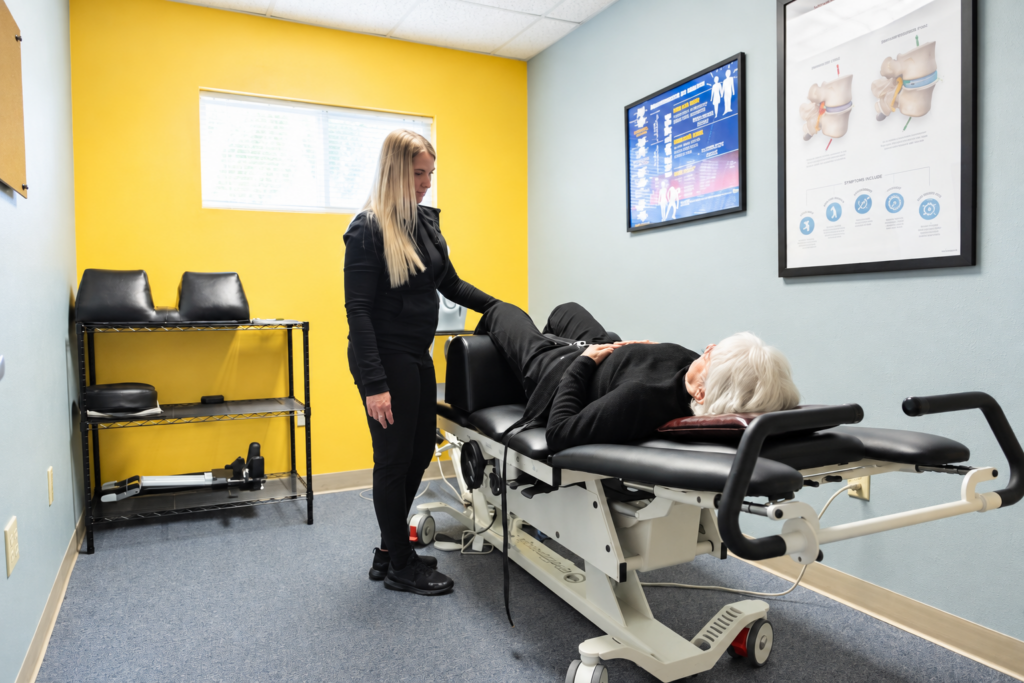
For many dealing with back pain, physical therapy options offer a structured path to recovery and relief. You'll find that a tailored physical therapy program focuses on your specific needs, helping to restore function and reduce discomfort. Working closely with a licensed therapist, you'll engage in exercises designed to strengthen the muscles supporting your spine.
One common approach is manual therapy, where your therapist uses hands-on techniques to improve mobility and reduce tension in the affected area. This can be particularly effective for relieving pain and enhancing circulation.
Additionally, therapeutic exercises help you build strength, flexibility, and endurance, which are essential for preventing future injuries.
Another key component is education. Your therapist will teach you proper body mechanics and posture, ensuring you understand how to move safely in daily life. They may also introduce you to ergonomic adjustments for your workspace or daily activities, minimizing strain on your back.
Incorporating modalities like heat, ice, or electrical stimulation can also be beneficial. These treatments can help alleviate pain and promote healing as you progress through your physical therapy sessions.
As you commit to your physical therapy plan, remember to communicate openly with your therapist about your progress and any concerns. This collaboration will empower you to take an active role in your recovery journey, ultimately leading to a healthier back and improved quality of life.
Embrace the process, and you'll likely discover lasting relief from back pain.
Medication and Pain Management
While physical therapy is an essential aspect of managing back pain, medication and pain management strategies also play a significant role in your recovery. You'll find that a combination of over-the-counter and prescription medications can help alleviate your discomfort, allowing you to engage more fully in your treatment plan.
Nonsteroidal anti-inflammatory drugs (NSAIDs) like ibuprofen or naproxen can effectively reduce inflammation and pain. If those don't suffice, your doctor may prescribe stronger medications, such as muscle relaxants or opioids, for short-term use.
However, it's vital to discuss any potential risks and side effects with your healthcare provider, especially if you're considering opioids, as they can lead to dependency.
In addition to traditional medications, topical treatments like creams or patches containing analgesics can be applied directly to the painful area. These can provide targeted relief without the systemic effects of oral medications. You might also explore corticosteroid injections, which can reduce inflammation in specific areas of your back.
Another aspect of pain management is the use of adjunct therapies, such as transcutaneous electrical nerve stimulation (TENS). This technique uses low-voltage electrical currents to help relieve pain, and it's worth considering as part of your overall approach.
Ultimately, the goal is to find a personalized medication strategy that aligns with your specific needs and lifestyle. By working closely with your healthcare provider, you can develop an effective pain management plan that supports your journey to recovery.
Alternative Therapies
When traditional medications aren't cutting it for your back pain, alternative therapies might offer the relief you need.
Techniques like acupuncture and chiropractic adjustments have helped many find comfort and improve mobility.
Let's explore how these methods could work for you.
Acupuncture for Pain Relief
How can acupuncture provide relief from back pain? This ancient practice, rooted in Traditional Chinese Medicine, involves inserting thin needles into specific points on your body. By stimulating these acupuncture points, you can promote the flow of energy, or "qi," which may help alleviate pain and tension.
When you undergo acupuncture, your body releases endorphins, the natural painkillers, which can contribute to a sense of well-being. Many people report a reduction in pain levels and improved mobility after sessions. It's often used to treat chronic pain, including back pain, and can be a valuable addition to your pain management plan.
During your treatment, a trained acupuncturist will assess your unique needs and tailor the session to address your specific symptoms. Whether you're dealing with muscle strain, herniated discs, or simply the stress that exacerbates your discomfort, acupuncture could help you find relief.
If you're considering this alternative therapy, consult with a qualified practitioner to discuss your condition and any potential benefits. Acupuncture might just be the holistic approach you need to navigate your back pain and regain a more active lifestyle.
Chiropractic Adjustments Benefits
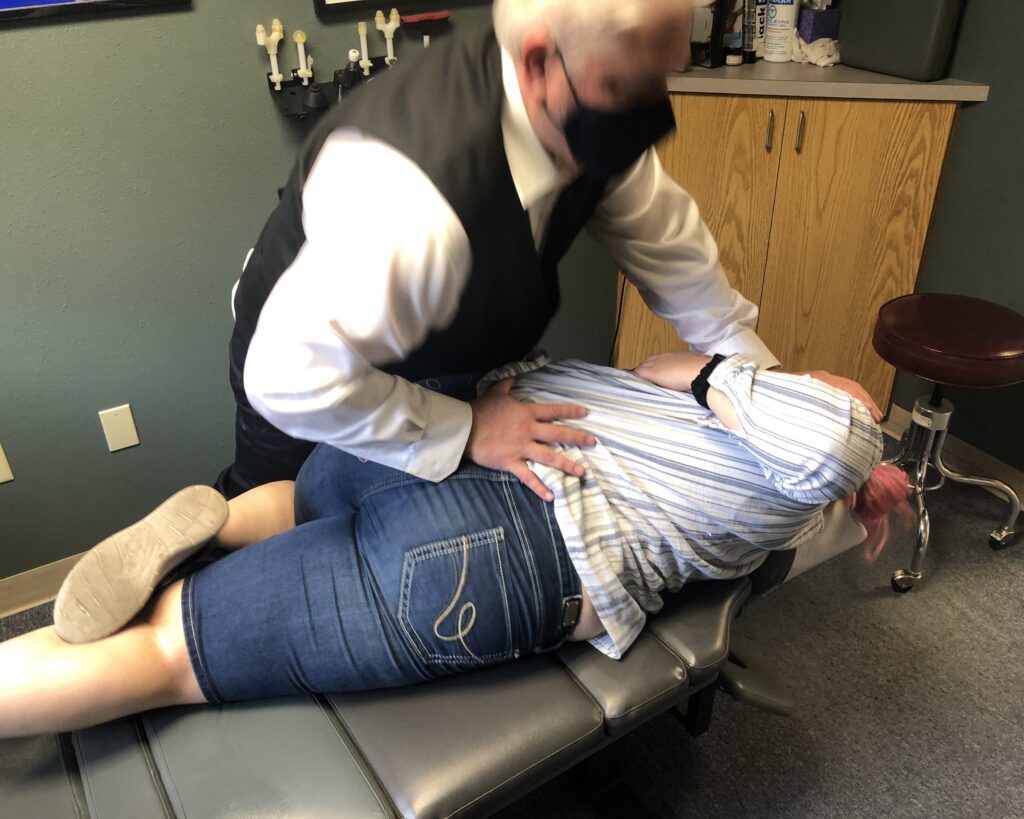
Chiropractic adjustments can complement acupuncture by providing another avenue for relief from back pain. These adjustments focus on realigning your spine and improving joint function, which can help alleviate pain and enhance mobility. When you visit a chiropractor, they'll assess your posture, movement patterns, and any areas of tension.
One of the key benefits of chiropractic care is its potential to reduce inflammation in your body. By correcting misalignments, you may experience less pressure on your nerves, which can contribute to a decrease in pain. Additionally, regular adjustments can promote better blood circulation, allowing nutrients to reach your muscles and tissues more effectively.
You might also find that chiropractic adjustments improve your overall wellness. Many patients report increased energy levels and better sleep quality after receiving care.
Plus, chiropractors often provide guidance on lifestyle changes, exercises, and stretches that can further support your recovery.
Ultimately, combining chiropractic adjustments with other therapies, like acupuncture, can create a thorough approach to managing your back pain. This holistic method can empower you to take charge of your health and find lasting relief.
Lifestyle Changes for Relief
Making simple lifestyle changes can greatly alleviate back pain and enhance your overall well-being. Start by paying attention to your posture throughout the day. Whether you're sitting at a desk, standing in line, or lifting objects, maintaining proper alignment helps reduce strain on your back.
Consider investing in ergonomic furniture that supports your spine and encourages a healthy posture.
Next, evaluate your daily routines. If you spend long hours in front of a screen, take regular breaks to stretch and move around. Even a few minutes of standing or walking can help relieve tension and improve circulation.
When sitting, keep your feet flat on the floor and your knees at a right angle. Avoid crossing your legs, as this can lead to muscle imbalances.
Your sleep environment plays a significant role in back pain relief, too. Ascertain your mattress provides adequate support and consider using a pillow that suits your preferred sleeping position.
If you sleep on your back, a pillow under your knees can help alleviate pressure. If you sleep on your side, a pillow between your legs can maintain spinal alignment.
Lastly, be mindful of your weight. Maintaining a healthy weight reduces stress on your back and joints.
Focus on a balanced diet rich in nutrients that promote bone health, like calcium and vitamin D. By implementing these lifestyle changes, you can create a solid foundation for back pain relief and overall wellness.
Exercise and Strengthening Techniques
Incorporating regular exercise into your routine is essential for relieving back pain and strengthening your core muscles. Focus on low-impact activities that promote flexibility, stability, and strength. Start with gentle stretches to improve your range of motion. Exercises like cat-cow or child's pose can help ease tension in your back and enhance mobility.
As you progress, integrate strength-building exercises such as planks, bridges, and pelvic tilts. These movements target your core, which plays an important role in supporting your spine. Aim for two to three sets of 10 to 15 repetitions for each exercise, but listen to your body and adjust the intensity as needed.
Don't forget about aerobic exercises, too. Walking, swimming, or cycling can improve blood flow to your back, aiding in recovery while also boosting your overall fitness. Aim for at least 150 minutes of moderate aerobic activity each week.
If you're unsure where to start, consider working with a physical therapist or a certified trainer. They can create a personalized exercise plan tailored to your specific needs, ensuring you're performing movements safely and effectively.
Mind-Body Approaches
While exercise and strengthening techniques are essential for physical recovery, mind-body approaches can play a significant role in managing back pain. These techniques emphasize the connection between your mental and physical states, helping you develop resilience against pain.
Practices like mindfulness, meditation, and yoga can help you cultivate awareness of your body and its sensations, allowing you to respond to discomfort more effectively.
Mindfulness involves focusing your attention on the present moment without judgment. By practicing mindfulness, you can reduce stress and anxiety, which often exacerbate pain. You might find that simply observing your thoughts and feelings can lessen their intensity, making pain more manageable.
Meditation can also be a powerful tool. Regular meditation sessions can train your mind to relax, promoting pain relief and an overall sense of well-being. Even just a few minutes a day can make a difference in how you perceive and handle back pain.
Yoga combines physical movement with breath control and meditation, creating a holistic approach to pain management. Practicing yoga can enhance flexibility, strength, and posture, all while promoting relaxation.
You'll likely discover that connecting your breath with movement helps ease tension in your back.
Incorporating these mind-body approaches into your routine can empower you to take an active role in your pain management. By focusing on the connection between your mind and body, you can open new pathways to relief and improve your overall quality of life.
Consulting Healthcare Professionals
When it comes to managing back pain effectively, consulting healthcare professionals is essential. They can provide you with tailored advice and treatment options that address your specific situation.
Whether you're dealing with a recent injury or chronic discomfort, their expertise can help you navigate the complex world of back pain relief.
Here are three key reasons to seek professional help:
- Accurate Diagnosis: A healthcare professional can assess your condition through physical exams and imaging tests. This accurate diagnosis is vital for developing an effective treatment plan tailored to your needs.
- Personalized Treatment Plans: Once they've diagnosed your issue, they can recommend personalized treatment options. This might include physical therapy, medication, or even alternative therapies like acupuncture. Tailored solutions increase your chances of finding relief more quickly.
- Ongoing Support and Monitoring: Consulting a professional means you'll have ongoing support throughout your recovery journey. They can monitor your progress, make necessary adjustments to your treatment plan, and provide guidance on lifestyle changes that can prevent future pain.
Don't hesitate to reach out to healthcare professionals. The sooner you consult them, the sooner you can find relief and get back to enjoying life without the burden of back pain.
Conclusion
In conclusion, finding relief from back pain requires a personalized approach that considers your unique situation. By exploring various treatments—like physical therapy, medication, and alternative therapies—you can create a thorough plan tailored just for you. Don't forget the power of lifestyle changes, exercise, and mind-body techniques in your journey to wellness. Consulting healthcare professionals will help you navigate these options and empower you to reclaim your quality of life, making back pain a thing of the past.