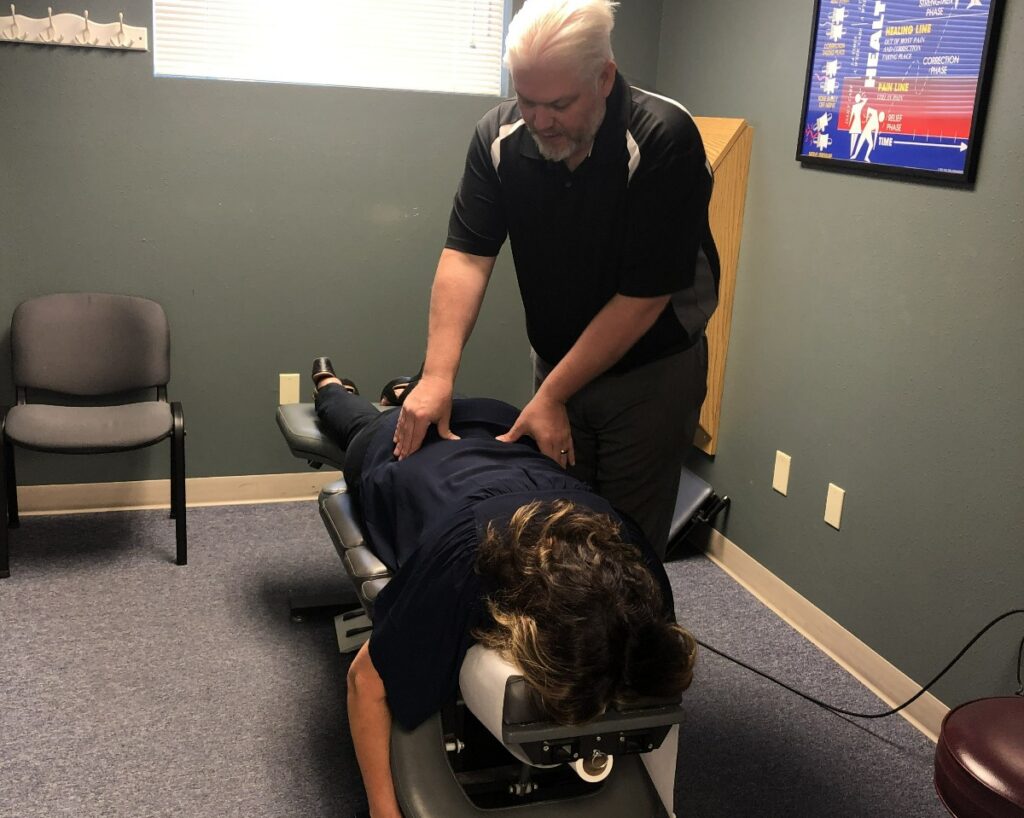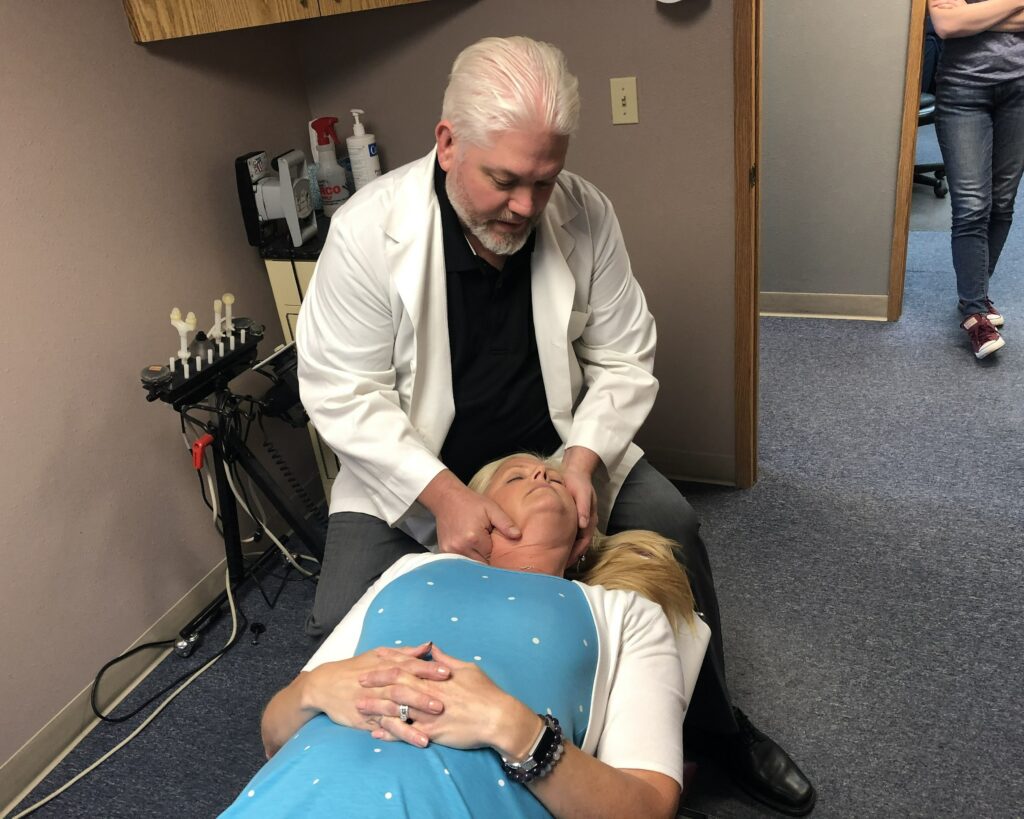

As a local chiropractor, I often get asked why certain techniques are so effective for relieving back pain. It's important to understand that it's not solely about making physical adjustments. These methods also engage your mental and emotional well-being. For example, when we align your spine through chiropractic care, we're not just improving your posture; we're also enhancing the function of your nervous system, which plays a crucial role in how your body communicates and feels.
Additionally, incorporating mindfulness practices can help you develop emotional resilience, which is vital for managing pain effectively. When you learn to approach your pain with a positive mindset, it can significantly influence your recovery process.
Now, imagine what happens when we combine chiropractic adjustments with mindfulness techniques. The results can be remarkably beneficial! This holistic approach addresses both the physical and emotional aspects of pain, leading to more comprehensive and lasting relief. So, if you're new to chiropractic care, I encourage you to explore these methods together for a more effective pain management strategy.
Understanding Back Pain Causes
As a local chiropractor, I want to help you understand the various causes of back pain so you can take charge of your health and well-being. Back pain can arise from many sources, making it essential to identify the root cause for effective treatment.
For instance, you might experience acute pain following an injury, such as lifting something heavy or twisting your body in an awkward way. This type of pain typically resolves within a few days; however, it's crucial to listen to your body and not ignore any persistent discomfort.
On the other hand, chronic pain can develop from ongoing issues like poor posture, muscle imbalances, or degenerative conditions. These problems may require a more comprehensive evaluation and management approach, which is where chiropractic care can be particularly beneficial.
One common culprit of back pain is herniated discs. This occurs when the cushioning between your vertebrae bulges or ruptures, putting pressure on nearby nerves. This can result in pain radiating down your legs or even numbness.
Conditions such as arthritis can also impact your spine, leading to inflammation and stiffness that can be uncomfortable. If you lead a sedentary lifestyle, the lack of regular exercise can weaken your back muscles, making you more prone to injuries and pain.
It's also important to consider the psychological aspects of back pain. Stress and anxiety can manifest as physical tension in your back, contributing to discomfort. As your chiropractor, I encourage you to reflect on these factors when assessing your back pain.
By understanding the underlying causes, you'll be better prepared to seek the right treatment and incorporate preventive measures into your daily routine.
At our chiropractic practice, we focus on listening to your body and addressing these complex issues with natural healing methods. We're here to guide you through your journey to better back health and well-being, so don't hesitate to reach out for support and expert advice tailored to your individual needs.
The Role of Physical Therapy
When it comes to managing back pain, chiropractic care is a vital component of your recovery and long-term wellness. It's not merely about relieving discomfort; it's about empowering you to reclaim strength, flexibility, and correct movement patterns.
As a chiropractor, my role is to assess your specific condition and develop personalized treatment plans that address your unique needs, ensuring that we don't just mask the pain but tackle its underlying causes.
In chiropractic care, we focus on aligning the spine and ensuring that your nervous system functions optimally. This may involve spinal adjustments and various exercises that strengthen your core muscles, which provide crucial support for your spine.
By enhancing your core stability, we help reduce the risk of future injuries and promote better overall body mechanics. Additionally, we often incorporate techniques such as soft tissue therapy and lifestyle advice to help manage pain and inflammation naturally.
I'll guide you through stretches that improve your flexibility and alleviate muscle tension. This holistic approach not only alleviates discomfort but also fosters overall well-being.
As you progress through your chiropractic sessions, you'll likely experience increased mobility and a reduction in pain, significantly enhancing your quality of life. You'll gain essential knowledge about your body and how to care for it, empowering you to adopt healthier habits that can prevent back pain from returning.
Ultimately, chiropractic care equips you with the tools and strategies necessary for a proactive approach to your spinal health. We focus on treating the root causes of your discomfort, ensuring that you don't just experience temporary relief but achieve lasting wellness.
Benefits of Chiropractic Adjustments
As a local chiropractor, I want to share how chiropractic adjustments can significantly enhance your overall well-being, far beyond just alleviating pain. When you choose chiropractic care, you're not only addressing any discomfort you might be experiencing, but you're also investing in your long-term health and quality of life.
Let's talk about some of the emotional benefits you may notice:
- Increased Mobility: After receiving adjustments, many patients find that they can move more freely without stiffness, allowing them to engage in activities they truly enjoy.
- Enhanced Mood: Reducing pain often leads to an uplifted mood and increased energy levels, making it easier to handle daily challenges and stressors.
- Better Sleep: Many of my patients report that relieving pain can lead to improved sleep quality, enabling them to wake up refreshed and ready to embrace the day ahead.
Chiropractic adjustments work by realigning your spine, which plays a crucial role in optimizing your body's functions. This realignment allows your nervous system to operate more effectively, fostering better communication between your brain and body.
As a result, you may experience less tension and stress, further enhancing your overall sense of well-being.
Additionally, regular chiropractic adjustments serve as a proactive measure to prevent future injuries by maintaining your spine in its ideal alignment. This not only improves your physical health but also empowers you to take control of your life.
By incorporating chiropractic care into your routine, you're making a commitment to a healthier and happier version of yourself.
If you're curious to learn more about how chiropractic care can benefit you, I invite you to reach out and discuss your health goals. Together, we can explore how to enhance your well-being through natural healing methods.
Mindfulness and Pain Management
As a local chiropractor, I'd like to share how mindfulness can be a powerful tool in managing back pain.
By becoming more aware of your body sensations through mindfulness practices, you can significantly reduce the stress responses that often make discomfort worse.
This heightened awareness not only helps you recognize and understand your pain, but it also builds emotional resilience.
With this approach, you'll find yourself better equipped to respond to pain, which in turn enhances your overall well-being.
Embracing mindfulness alongside chiropractic care can lead to more effective pain management and an improved quality of life.
Awareness of Body Sensations
As a local chiropractor, I want to emphasize the importance of being aware of your body sensations when it comes to managing back pain. By tuning into your physical feelings, you can gain valuable insights into how different movements or postures influence your pain levels. This practice of mindfulness is key in helping you identify what might trigger your discomfort and recognizing patterns that can empower you to make healthier choices for your overall well-being.
When you begin to focus on your body sensations, you may notice several benefits:
- A sense of control: Instead of merely reacting to pain, you'll find yourself actively engaging with it, which can be incredibly empowering.
- Enhanced self-compassion: Gaining a better understanding of your feelings can cultivate kindness towards yourself, helping to alleviate emotional stress.
- Increased resilience: By recognizing discomfort, you can learn to navigate challenging moments with more grace and strength.
Being aware of your body is also essential for distinguishing between mere discomfort and potential injury. It encourages you to listen to what your body is signaling—whether it needs rest, gentle movement, or stretching. This heightened awareness fosters a stronger connection between your mind and body, which is crucial for effective pain management.
As you practice this mindfulness, you'll likely find it easier to cope with back pain, leading to improved health and a better quality of life.
At our chiropractic clinic, we're here to support you in this journey towards natural healing and wellness.
Reducing Stress Responses
As a local chiropractor, I want to share some valuable insights about managing back pain and the importance of addressing stress responses that can intensify your discomfort. Many people don't realize that when you're stressed, your body tends to tense up, which can aggravate your pain. This is where incorporating mindfulness techniques can make a significant difference.
Mindfulness practices, such as deep breathing and meditation, can help you calm those stress responses. By focusing on your breath or simply observing your thoughts without judgment, you create a mental space where both pain and stress can diminish. This awareness of the present moment allows you to detach from negative thoughts about your pain, which can ultimately lower your overall stress levels.
In addition to mindfulness, I often recommend engaging in activities like yoga or tai chi. These practices promote gentle movement and relaxation, offering a dual benefit for both your mind and body. They not only enhance your mindfulness practice but also help improve flexibility and strength, which can support your chiropractic care.
By incorporating these techniques into your daily routine, you may experience significant improvements in how you manage pain. Actively reducing your stress responses can lead to a more manageable and enjoyable life, even when dealing with the challenges of back pain.
Embrace mindfulness, and take an active role in your well-being—your body will thank you!
Enhancing Emotional Resilience
As a chiropractor dedicated to your well-being, I want to highlight the significance of enhancing emotional resilience in pain management. Understanding how to manage stress responses is crucial, and building your emotional resilience can empower you to face challenges more effectively, ultimately reducing how you perceive pain.
Incorporating mindfulness techniques into your routine can help you stay grounded during tough times, allowing you to approach pain with a balanced mindset rather than feeling overwhelmed.
Here are some impactful benefits of enhancing your emotional resilience that can greatly aid in your healing journey:
- Improved coping strategies: By developing emotional resilience, you'll learn to navigate pain more skillfully, which can alleviate its emotional burden and help you respond to discomfort with greater ease.
- Increased positive outlook: A resilient mindset fosters hope and motivation, making it easier for you to cope with discomfort and engage more fully in your healing process.
- Stronger emotional regulation: As you enhance your emotional resilience, you'll gain better control over your reactions to pain and stress, which can diminish the intensity of your discomfort.
By focusing on these aspects of emotional resilience, we can work together to not only treat your physical pain but also support your overall mental and emotional health.
Yoga for Flexibility and Strength
As a chiropractor, I often emphasize the importance of natural healing methods, and yoga can be a fantastic complement to chiropractic care, particularly when it comes to enhancing flexibility and strength while managing back pain.
By integrating specific yoga poses into your routine, you can effectively stretch tight muscles, improve your range of motion, and build core strength, all of which are crucial for maintaining a healthy spine.
Yoga isn't just about increasing flexibility; it's also about engaging your muscles to provide stability and support for your back. Poses like Downward Dog and Cat-Cow are excellent for relieving tension in the back while also strengthening the muscles surrounding the spine.
As you move through these poses, you promote blood circulation, which is vital for healing and recovery.
Furthermore, practicing yoga fosters mindfulness and body awareness. This heightened awareness can lead to improved movement patterns in your daily activities, which may significantly reduce the risk of future injuries.
You'll develop the skills to listen to your body, understanding when to challenge yourself and when to take a step back—an essential aspect of effectively managing back pain.
Incorporating yoga into your wellness routine can work hand in hand with chiropractic adjustments, helping you achieve a balanced and healthy back.
Importance of Posture Correction
As a local chiropractor, I want to emphasize the crucial role that proper posture plays in maintaining a healthy spine and preventing back pain. When you sit or stand with poor alignment, you inadvertently put excessive strain on your muscles, ligaments, and spinal discs. This can lead to discomfort and even serious injuries over time. By focusing on correcting your posture, you can't only relieve existing pain but also ward off potential issues in the future.
Consider how improving your posture can positively impact your everyday life. You may notice several benefits, such as:
- Increased energy: When your posture is aligned, your body operates more efficiently. This can significantly reduce feelings of fatigue and keep your energy levels high throughout the day.
- Enhanced confidence: Standing tall and adopting an open posture can boost your self-esteem, making you feel more assertive in both social and professional interactions.
- Improved breathing: Proper alignment allows for better expansion of your chest and diaphragm, which promotes deeper and more effective breathing. This can contribute to your overall well-being.
Many people are unaware of how much their posture influences their physical and emotional health. Whether you find yourself working at a desk, driving, or simply walking, maintaining proper alignment is essential for protecting your spine and improving your quality of life.
To achieve better posture, I encourage you to be conscious of your body positioning throughout the day. Consider making adjustments to your workspace, taking regular breaks to stretch, and staying mindful of how you hold yourself.
Small changes can lead to significant improvements in how you feel and function. Remember, prioritizing your posture isn't just about aesthetics; it's about feeling good, promoting health, and living a pain-free life.
If you have any questions about posture correction or chiropractic care, don't hesitate to reach out. We're here to help you on your journey to better health!
Exercise and Back Pain Relief
As a chiropractor dedicated to your well-being, I want to emphasize that good posture is just the starting point on your path to a pain-free back. Incorporating regular exercise into your routine is equally vital. Engaging in physical activity not only strengthens the muscles that support your spine but also alleviates pain and helps prevent future issues.
When you exercise, you're not just working your muscles; you're also increasing flexibility, improving circulation, and encouraging the release of endorphins—your body's natural pain relievers. This holistic approach is crucial for overall spinal health.
I recommend starting with low-impact activities such as walking, swimming, or cycling. These forms of exercise are gentle on your back while still promoting essential movement. Additionally, strength training can be incredibly beneficial. By focusing on your core muscles—particularly those in your abdomen and lower back—you can enhance your stability and support your spine. Consider incorporating exercises like planks, bridges, and modified squats into your routine.
Don't overlook the importance of stretching, either. Stretching plays a key role in improving flexibility and relieving tension in tight muscles. Simple stretches, such as the cat-cow stretch or child's pose, can be easily integrated into your daily routine to keep your back limber and minimize discomfort.
As you embark on this exercise journey, it's crucial to listen to your body. If you experience pain, don't hesitate to stop and modify your movements. Gradually increase the intensity of your workouts as you build strength and flexibility.
Remember, consistency is key; aim to exercise most days of the week to achieve the best results.
Together, through proper posture, exercise, and chiropractic care, we can work towards a healthier, pain-free back. Your journey to wellness is one step at a time, and I'm here to support you every step of the way.
The Impact of Stress Reduction
As a local chiropractor, I want to shed light on how stress can significantly impact your body, particularly in relation to back pain and tension. Many of you may not fully understand the connection between stress and your physical health until you feel that tightness in your shoulders or discomfort in your lower back.
It's important to recognize that when your stress levels rise, your muscles tend to tense up, which can lead to persistent pain.
Let's discuss some emotional responses to stress and how they can manifest in your back pain:
- Frustration: It's common to feel frustrated when stress magnifies your back issues, making even the simplest tasks seem daunting.
- Anxiety: Elevated stress levels can heighten anxiety, impacting not just your mental state but also exacerbating physical discomfort.
- Fatigue: Stress can sap your energy, leaving you feeling drained and less inclined to participate in activities that could benefit your back health.
Incorporating stress reduction techniques into your routine can be incredibly beneficial. Practices such as mindfulness meditation, deep breathing exercises, and gentle yoga can help soothe your mind and relax your muscles, creating a healing environment for your body.
When you make a conscious effort to reduce stress, you're not just addressing your back pain; you're also taking proactive steps toward your overall health.
I encourage you to take a moment each day to practice these techniques. You may discover that your back feels better, and your overall well-being improves.
Integrating Techniques for Best Results
As a local chiropractor, I want to share some valuable insights on how to effectively manage back pain through a holistic approach. It's essential to integrate a variety of techniques into your daily routine to tackle the multiple factors that contribute to your discomfort.
First and foremost, regular physical activity is vital. I recommend incorporating stretching and strengthening exercises into your routine. These activities not only improve flexibility but also build muscle support around your spine, which can significantly reduce strain on your back.
Equally important is stress management. Many patients don't realize how much stress can exacerbate back pain. Practicing mindfulness or engaging in relaxation techniques, such as deep breathing or meditation, can help lower tension levels. I advise setting aside just a few minutes each day for these practices to enhance your overall sense of well-being.
Another critical aspect to consider is your posture and ergonomics during daily activities. Whether you're sitting at a desk, lifting objects, or even sleeping, maintaining proper alignment is crucial for your back health.
I encourage you to invest in supportive furniture and learn safe lifting techniques to minimize the risk of injury.
If you discover certain techniques that provide you with relief, make them a consistent part of your routine. Consistency is key to achieving long-lasting results. I also suggest keeping a journal to track what works best for you, allowing for adjustments as needed.
By integrating these various techniques mindfully into your life, you're not just addressing the symptoms of back pain; you're adopting a holistic approach to your overall health. This comprehensive strategy can lead to sustained relief and an improved quality of life, empowering you to engage fully in your daily activities—free from the burden of back pain.
If you have any questions or need guidance on specific exercises or techniques, feel free to reach out. Your journey to better health is our priority!
Conclusion
As your local chiropractor, I want to share how incorporating various techniques into your routine can significantly enhance your management of back pain. It's important to understand that effective relief comes from addressing both the physical and psychological components of pain. By embracing a balanced approach that includes chiropractic care, mindfulness practices, and yoga, you're taking proactive steps toward achieving sustainable relief.
Chiropractic care focuses on aligning your spine and improving your overall musculoskeletal function, which can alleviate pain and enhance mobility. Meanwhile, mindfulness and yoga can help you develop a better connection between your mind and body, promoting relaxation and resilience against stressors that may contribute to pain.
Combining these methods can amplify their benefits, leading to a healthier, more flexible, and pain-free lifestyle. I encourage you to embrace this holistic journey, as it can lead to lasting improvements in your well-being. Together, we can work towards a pain-free future!