
Chronic back pain has a way of stealing the joy from everyday life. It creeps into your mornings when you first try to get out of bed, follows you through your workday, and keeps you awake at night when all you want is rest. If you’ve been living with persistent back pain for weeks, months, or even years, you’re not alone — and more importantly, you’re not out of options. Chiropractic care for chronic back pain has helped countless people right here in Gresham, OR find real, lasting relief without relying on medication or surgery. At Kuns Chiropractic Clinic, Dr. Westley Kuns works with patients every day who thought their pain was simply something they’d have to learn to live with. This article explains five proven ways chiropractic care addresses the root causes of chronic back pain — and why it might be exactly what your body needs.
What Is Chronic Back Pain?
Chronic back pain is defined as pain in the back — whether upper, mid, or lower — that persists for 12 weeks or longer, even after an initial injury or underlying cause has been treated. It’s one of the most common reasons people seek medical care worldwide. Unlike acute back pain, which typically resolves on its own with rest and time, chronic back pain requires a more thoughtful, targeted approach to care.
- Spinal Adjustments Restore Proper Alignment
- Calming the Nervous System’s Pain Response
- Improving Mobility and Flexibility
- Correcting Posture and Ergonomic Patterns
- A Whole-Body, Long-Term Approach to Healing
- How Chiropractic Care Fits Into Your Recovery
- Practical Tips for Managing Chronic Back Pain at Home
- When to See a Chiropractor
- Myths vs. Facts About Chiropractic and Back Pain
- Final Thoughts From Kuns Chiropractic Clinic
1. Spinal Adjustments Restore Proper Alignment
One of the most fundamental ways chiropractic care addresses chronic back pain is through spinal manipulation — often called a chiropractic adjustment. When the vertebrae in your spine shift out of their ideal alignment, the surrounding muscles, joints, and nerves bear the consequences. This misalignment, known in chiropractic practice as a subluxation, can create persistent tension, inflammation, and nerve irritation that fuels long-term pain.
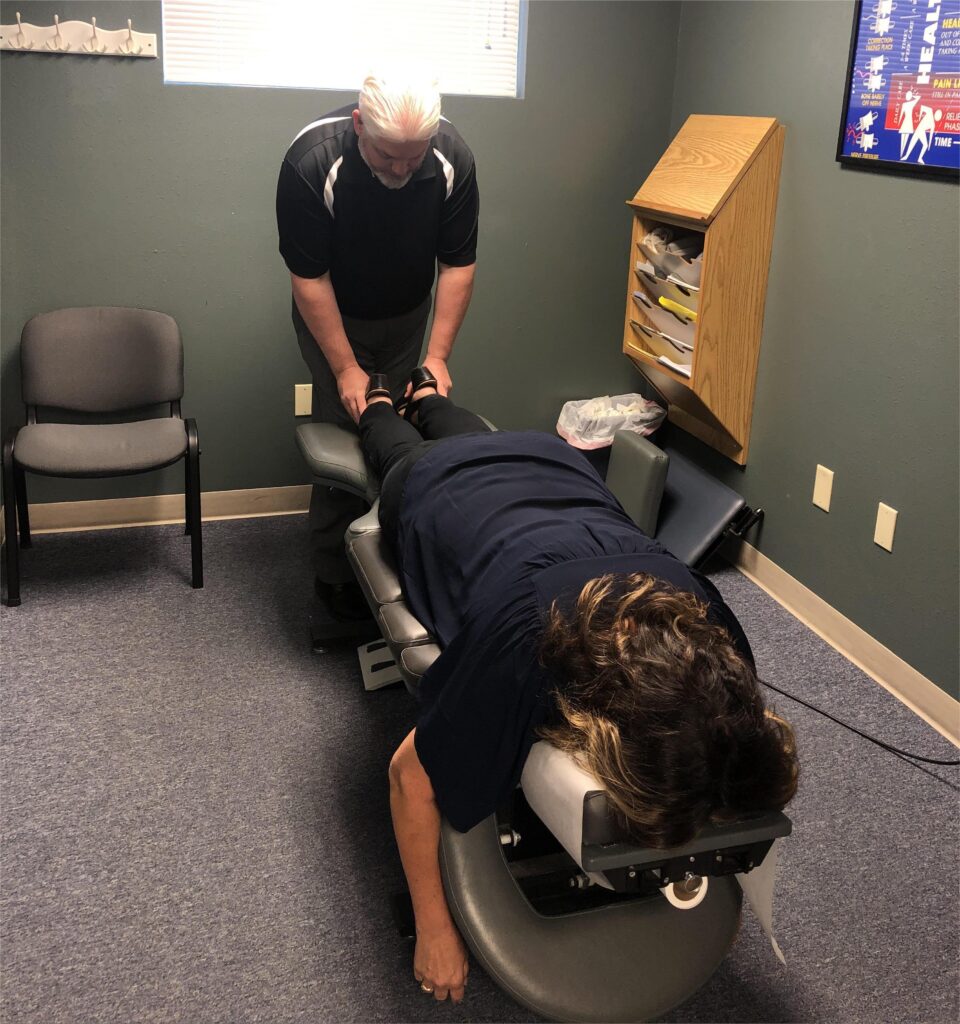
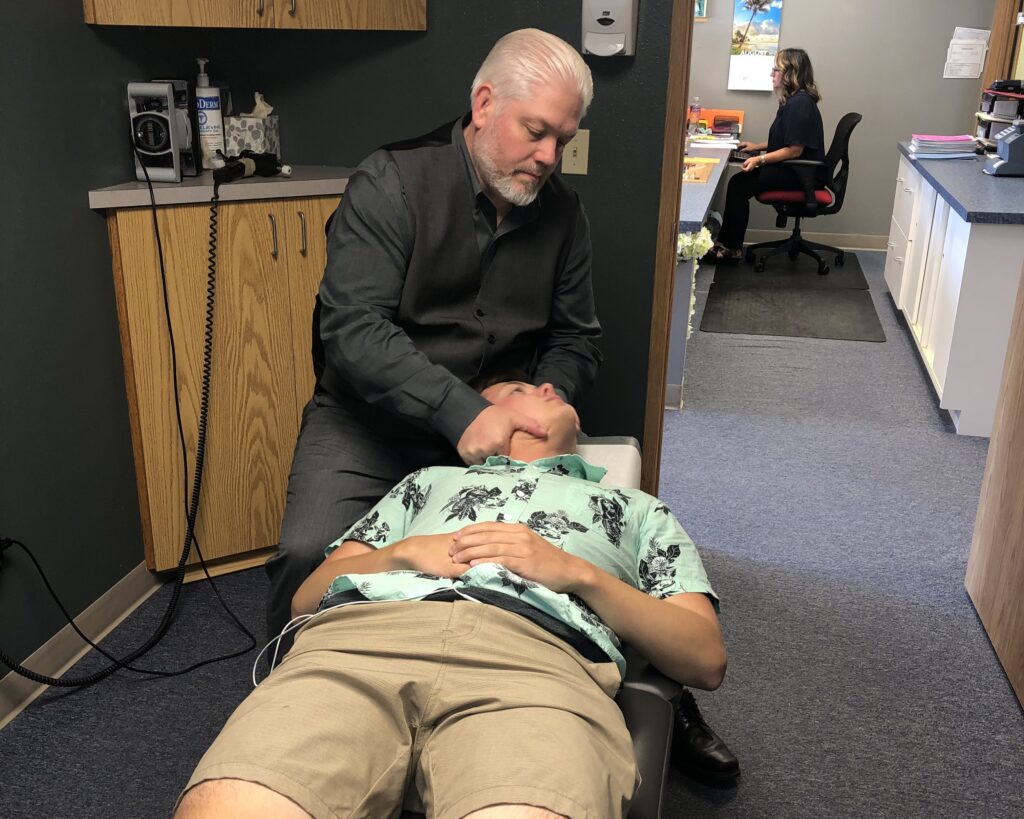
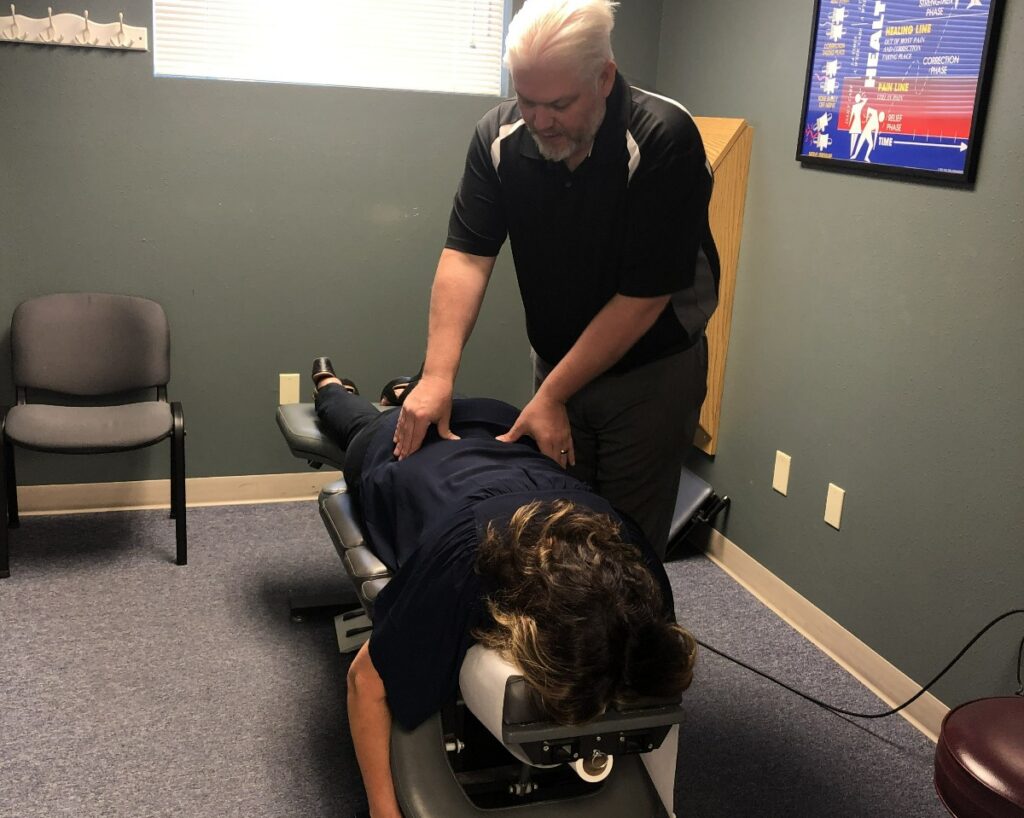
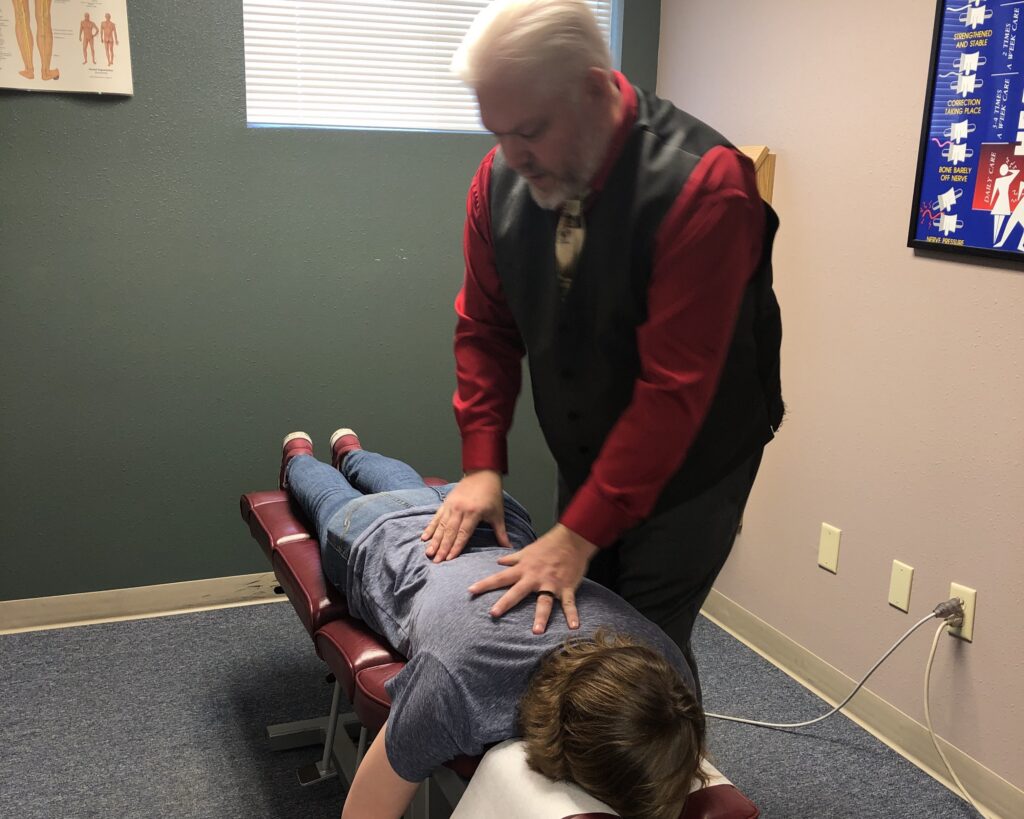
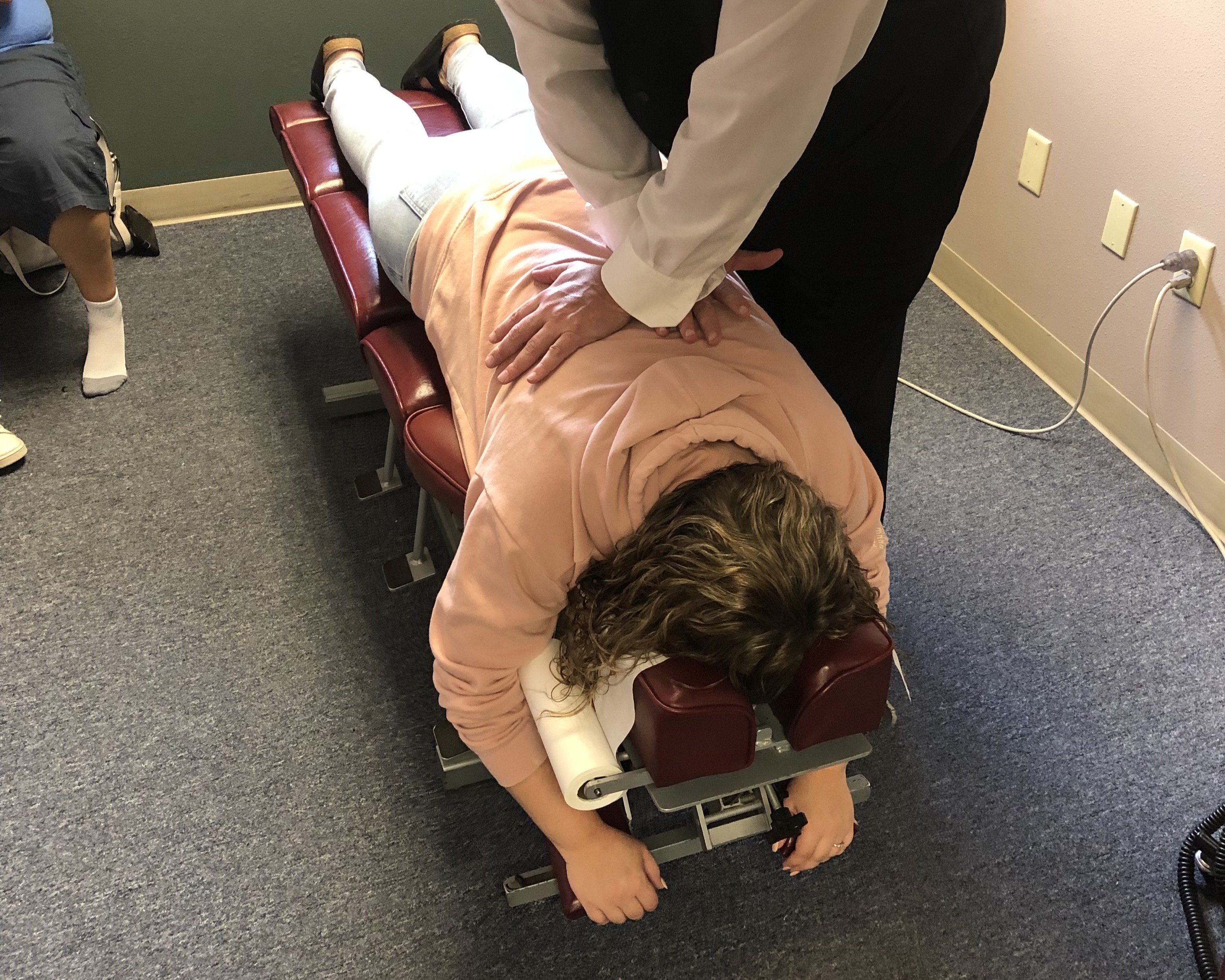
During a spinal adjustment, Dr. Westley Kuns applies a precise, controlled force to specific joints in the spine. This restores normal motion, reduces joint restriction, and relieves pressure on the surrounding nerve tissue. The result is often immediate — patients frequently notice a reduction in pain and a greater sense of ease in their movement right after a session.
Research published through organizations like the National Institutes of Health and the American Chiropractic Association has consistently shown that spinal manipulation is a safe and effective option for managing low back pain. The American College of Physicians, in its clinical guidelines, even recommends spinal manipulation as a first-line, non-pharmacologic treatment for both acute and chronic lower back pain. That’s not a small endorsement — it reflects a growing recognition in mainstream medicine that hands-on chiropractic care belongs at the center of back pain treatment.
2. Calming the Nervous System’s Pain Response
Chronic pain isn’t just about damaged tissue. Over time, the nervous system itself becomes sensitized — it begins to amplify pain signals even when the original injury has healed. This is sometimes called central sensitization, and it’s one of the reasons chronic back pain can feel so persistent and frustrating. Your body essentially gets “stuck” in a pain loop.
Chiropractic care has a meaningful effect on the nervous system. The spine is the primary highway for the nervous system, and when spinal joints are restricted or misaligned, it creates ongoing stress signals that keep the nervous system in a state of heightened alert. By restoring proper spinal mechanics, chiropractic adjustments help interrupt that cycle. Research suggests that spinal manipulation can influence how the nervous system processes pain, potentially reducing that over-sensitization over time.
Here in Gresham, many of Dr. Westley Kuns’s patients describe feeling noticeably calmer and more relaxed after their adjustments — not just in their backs, but overall. That’s not a coincidence. When the spine is moving well and the nervous system is less stressed, the whole body tends to settle.
3. Improving Mobility and Flexibility
Chronic back pain almost always comes with a side effect that most people don’t talk about enough: loss of movement. When your back hurts, you instinctively guard it. You move less, you avoid certain positions, and gradually your joints stiffen and your muscles tighten. This restriction in mobility doesn’t just compound the pain — it accelerates it. Stiffness feeds pain, and pain feeds stiffness. It’s a cycle that’s very hard to break on your own.
Chiropractic care directly targets this cycle. Through adjustments and targeted manual therapies, Dr. Westley Kuns works to restore the normal range of motion in the spinal joints and supporting structures. As mobility returns, the muscles around the spine can relax, blood flow improves, and the natural healing capacity of the body has room to work.
Evidence from the Cochrane Library and Spine Journal indicates that spinal manipulation and chiropractic mobilization techniques are effective in improving functional movement and reducing disability in chronic low back pain patients. More importantly, patients at Kuns Chiropractic Clinic often describe a return to activities they had given up — gardening, hiking, picking up their grandchildren — as mobility progressively improves over the course of care.
4. Correcting Posture and Ergonomic Patterns
Here’s a truth that surprises a lot of patients: chronic back pain is rarely caused by a single dramatic event. More often, it develops slowly as a result of repetitive postural stress — the way you sit at your desk, the position you sleep in, how you carry yourself when you walk. Over months and years, these habits create imbalances in the spine and surrounding muscles that quietly build into significant, ongoing pain.
Chiropractic care is uniquely positioned to identify and address these postural patterns. At Kuns Chiropractic Clinic, Dr. Westley Kuns doesn’t just treat the symptoms — he looks at how the whole body is moving and where structural imbalances may be contributing to the problem. That might mean identifying that one hip sits higher than the other, that the head is carried forward of the shoulders, or that there’s an excessive curve in the lower back. Each of these patterns puts abnormal stress on the spine over time.
Alongside hands-on adjustments, chiropractic care often includes practical guidance on ergonomics — how to set up your workstation, how to position yourself when sleeping, and how to move through daily activities in ways that support your spine rather than strain it. This kind of education is a genuine game-changer for people with chronic pain, because it helps them understand why the pain keeps coming back and what they can do to interrupt the pattern.
5. A Whole-Body, Long-Term Approach to Healing
Perhaps the most important distinction between chiropractic care and other common approaches to chronic back pain is the philosophy behind it. Medications and procedures often focus on managing symptoms — quieting the pain signal without necessarily addressing what’s generating it. Chiropractic care, by contrast, is rooted in the idea that the body has an extraordinary ability to heal itself when the conditions are right. The chiropractor’s job is to create those conditions.
At Kuns Chiropractic Clinic in Gresham, OR, that means taking a thorough health history, understanding each patient’s lifestyle, work demands, and movement habits, and developing a care plan that’s genuinely individualized. It means looking at the spine and the nervous system as a whole rather than just focusing on the spot where it hurts. And it means building a relationship with patients over time so that care evolves as their needs do.
This long-term, whole-body perspective is what allows chiropractic care to produce lasting results rather than temporary relief. Patients who commit to a consistent care plan — which may include periodic maintenance visits once their initial pain has resolved — often report not just less back pain, but improved energy, better sleep, and an overall sense of well-being. That’s the power of addressing the root cause rather than masking the symptom.
How Chiropractic Care Fits Into Your Recovery
Chiropractic care is a non-invasive, drug-free approach to musculoskeletal health. It doesn’t replace your primary care physician, and it’s not meant to. Rather, it fills an important gap in conservative care — offering a hands-on, evidence-informed path to healing that works especially well for conditions involving the spine, joints, and nervous system.
At Kuns Chiropractic Clinic, your first visit with Dr. Westley Kuns typically involves a thorough consultation and physical examination. He’ll ask questions about when your pain started, what makes it better or worse, and how it’s affecting your daily life. He may assess your posture, range of motion, reflexes, and neurological function. All of this information helps him develop a clear picture of what’s contributing to your chronic back pain — and what kind of care is most likely to help.
From there, care is delivered in a way that respects your body and your pace. Some patients respond quickly; others need a more gradual approach. Dr. Westley Kuns will always explain what he’s doing and why, so you feel informed and comfortable at every step of the process.
Practical Tips for Managing Chronic Back Pain at Home
Chiropractic care works best when it’s supported by the right habits outside the clinic. While these tips aren’t a substitute for professional evaluation, they can make a meaningful difference in how your spine feels day to day.
Movement is medicine for a painful back. Gentle, consistent movement — even short walks — keeps blood flowing to the spinal discs and helps prevent the stiffness that worsens chronic pain. Avoid long stretches of sitting or standing without breaks. Every 30-45 minutes, shift your position and take a brief walk, even if it’s just to the kitchen and back.
Pay attention to how you sleep. Sleeping on your stomach with your head turned to one side puts significant strain on the lower back and neck. Side sleeping with a pillow between your knees, or back sleeping with a pillow under your knees, tends to be much gentler on the spine. A supportive mattress makes a bigger difference than many people realize.
Stay hydrated. The intervertebral discs in your spine are largely made of water, and they depend on hydration to maintain their shock-absorbing function. Mild dehydration over time can compromise disc health and contribute to stiffness and pain.
Strengthen your core — but gently. A stable core provides essential support to the lumbar spine. Simple exercises like gentle bridges or bird-dog movements can help build this stability without aggravating an already irritated back. Ask Dr. Westley Kuns which movements are appropriate for your specific situation before starting anything new.
When to See a Chiropractor
If your back pain has persisted for more than a few weeks despite rest and self-care, it’s time to get a professional evaluation. Chronic back pain rarely improves on its own without some form of targeted intervention, and the longer it’s left unaddressed, the more entrenched the underlying patterns tend to become.
Chiropractic care is often appropriate for low back pain, mid-back tension, pain that radiates into the hips or buttocks, and pain associated with prolonged sitting or standing. Many patients here in Gresham come to Kuns Chiropractic Clinic after trying medications or physical therapy with limited results — and find that chiropractic care offers the missing piece.
However, there are some situations where chiropractic care should be preceded by medical evaluation. If your back pain is accompanied by loss of bladder or bowel control, progressive numbness or weakness in the legs, unexplained weight loss, fever, or pain following significant trauma, please seek medical care promptly. These symptoms may indicate a condition that requires urgent attention beyond the scope of chiropractic treatment. Dr. Westley Kuns takes patient safety seriously and will always refer out when appropriate.
Myths vs. Facts About Chiropractic and Back Pain
Myth: Chiropractic adjustments are dangerous for your spine.
Fact: Spinal manipulation performed by a licensed chiropractor is considered a safe, well-tolerated treatment for most patients with musculoskeletal back pain. Serious adverse events are rare. Dr. Westley Kuns conducts a thorough evaluation before any adjustment to ensure it is appropriate for each individual patient.
Myth: Once you start chiropractic care, you have to go forever.
Fact: The length of chiropractic care varies by patient and condition. Many patients complete a short course of care and return only for periodic maintenance visits — much like regular dental cleanings. You are never obligated to continue care beyond what is appropriate for your condition.
Myth: Chiropractic care only helps your back temporarily.
Fact: When care addresses the underlying structural and movement-based causes of back pain — rather than just the symptoms — the results can be long-lasting. Research indicates that chiropractic care, especially combined with lifestyle modifications, can produce durable improvements in chronic low back pain.
Myth: You need an X-ray or MRI before seeing a chiropractor.
Fact: Imaging is not always necessary before beginning chiropractic care. Clinical guidelines from organizations like NICE and the American College of Physicians generally advise against routine imaging for non-specific low back pain. Your chiropractor will determine whether imaging is needed based on your specific history and examination findings.
Myth: Chiropractic care is only for acute injuries, not chronic pain.
Fact: Chiropractic care is actually particularly well-suited for chronic conditions. The American College of Physicians specifically includes spinal manipulation among its recommended treatments for chronic low back pain. Long-standing patterns of spinal dysfunction respond well to the gradual, consistent correction that chiropractic care provides.
Final Thoughts From Kuns Chiropractic Clinic
Living with chronic back pain is exhausting — physically, emotionally, and mentally. But it doesn’t have to be permanent. Here at Kuns Chiropractic Clinic in Gresham, OR, Dr. Westley Kuns is committed to helping members of our community understand what’s driving their pain and what can genuinely be done about it. Chiropractic care for chronic back pain isn’t a quick fix or a miracle cure — it’s a thoughtful, evidence-based approach that works with your body’s own healing capacity to create real, lasting change.
If you’ve been dealing with back pain and you’re ready to explore a non-invasive, drug-free path forward, we’d love to be a part of your journey. Our doors are open to the Gresham community, and we approach every patient with the same care and attention we’d want for our own family. You deserve to feel better — and we’re here to help make that possible.
Frequently Asked Questions
How long does it take for chiropractic care to help with chronic back pain?
This varies depending on the severity and duration of the condition, as well as individual factors like age, activity level, and overall health. Some patients notice improvement within a few visits, while others with longer-standing issues may need several weeks of consistent care before seeing significant change. Dr. Westley Kuns will give you a realistic assessment based on your specific situation.
Is chiropractic care safe if I have a herniated disc?
In many cases, yes — but it depends on the severity and location of the disc involvement. Chiropractic care can be a beneficial, conservative approach for certain types of disc-related pain. A thorough examination is essential before beginning care, and some cases may require referral or co-management with another provider.
Can I see a chiropractor if I’ve already had back surgery?
Post-surgical patients can sometimes benefit from chiropractic care, though the approach must be carefully tailored to avoid the surgical site. Dr. Westley Kuns will evaluate your surgical history and current condition before recommending any form of treatment. Open communication with your surgeon is also encouraged.
How is chiropractic care different from physical therapy for back pain?
Both are valuable conservative approaches, but they differ in focus. Chiropractic care centers on spinal alignment, joint mechanics, and nervous system function, while physical therapy tends to emphasize exercise rehabilitation and strengthening. Many patients benefit from both, either sequentially or in combination.
Does chiropractic care help with back pain that radiates down the leg (sciatica)?
Yes, chiropractic care is commonly used to address sciatic pain caused by nerve compression or irritation in the lower back. By reducing joint restriction and relieving pressure on the affected nerve, adjustments can help decrease the radiating pain, tingling, and numbness associated with sciatica. Results vary, and a thorough evaluation is always the first step.
How many times per week will I need to visit for chronic back pain?
Care frequency is highly individualized. In the early phases of care for chronic pain, visits may be more frequent — perhaps two to three times per week — and then taper as your condition improves. Dr. Westley Kuns will outline a recommended schedule during your initial visit and adjust it as your body responds to treatment.
Comparison: Common Approaches to Chronic Back Pain
| Approach | Invasive? | Addresses Root Cause? | Drug-Free? | Suitable for Long-Term Use? |
|---|---|---|---|---|
| Chiropractic Care | No | Yes — focuses on spinal mechanics and nervous system | Yes | Yes |
| Pain Medication | No | No — manages symptoms only | No | Limited — risks with long-term use |
| Spinal Surgery | Yes | Partially — depends on diagnosis | No | One-time intervention |
| Physical Therapy | No | Partially — focuses on strengthening and movement | Yes | Yes |
| Rest / Inactivity | No | No — may worsen stiffness over time | Yes | Not recommended for chronic pain |
TL;DR — Key Takeaways
- Chiropractic care for chronic back pain works by addressing the underlying structural and nervous system causes — not just masking symptoms.
- Spinal adjustments restore proper alignment, reduce joint restriction, and relieve nerve pressure, which can significantly reduce persistent pain.
- Chiropractic care also helps calm the nervous system’s sensitized pain response, improve mobility, correct posture, and support long-term healing.
- Safe, effective, and drug-free, chiropractic care is recommended by major health organizations including the American College of Physicians as a first-line treatment for chronic low back pain.
- At Kuns Chiropractic Clinic in Gresham, OR, Dr. Westley Kuns offers individualized care designed to help you move better, hurt less, and get back to the life you love.