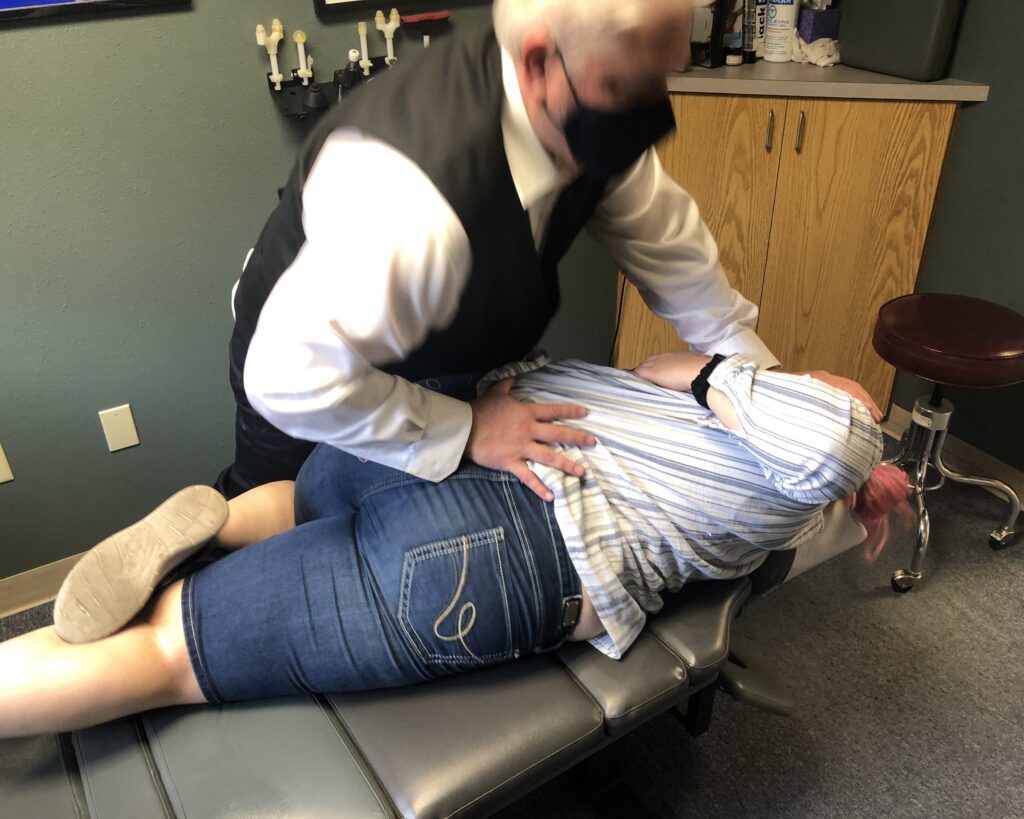

As a local chiropractor, I've seen many patients struggle with neck pain, and I understand how much it can disrupt daily life. Often, traditional treatments may not fully address the root causes of your discomfort, leaving you seeking better solutions. That's where gentle techniques come into play.
Methods such as light massage, mindful breathing, and targeted stretching can provide significant relief by promoting relaxation and restoring balance to your body. These approaches not only help reduce physical discomfort but also enhance your overall well-being, allowing you to feel more at ease both physically and mentally.
If you're curious about how to incorporate these natural healing techniques into your daily routine, I'm here to guide you. Together, we can explore how these methods can work in conjunction with chiropractic care to maximize their effectiveness and improve your quality of life. Let's take a closer look at the options available to you.
Understanding Neck Injuries
As a local chiropractor, I've seen firsthand how neck injuries can quietly develop, often due to accidents, poor posture, or repetitive strain. Many people don't realize that simple habits—like how you sit at your desk or hold your phone—can lead to significant discomfort and pain over time. It's crucial to understand the mechanics of your neck to catch potential issues early.
Your neck is made up of seven vertebrae, supported by a complex network of muscles, ligaments, and tendons. When these structures are strained or injured, you may experience various problems, including strains, sprains, or even herniated discs. Symptoms can range from stiffness and limited mobility to sharp pain that radiates into your shoulders and arms.
One common neck injury I encounter in my practice is whiplash, often resulting from accidents. This injury occurs when your head rapidly moves backward and then forward, putting undue stress on the neck's muscles and ligaments.
Additionally, poor posture—especially when sitting for extended periods—can worsen these conditions, leading to chronic discomfort. Repetitive movements, like constantly looking down at your phone or computer screen, can also contribute to neck issues. If you find that your neck feels tight or sore after a long day, you're not alone.
Being aware of these factors is key to taking proactive steps to protect your neck. By recognizing the early signs of potential injury, you can seek relief sooner rather than later.
As a chiropractor, I'm here to guide you on how to maintain optimal neck health in your daily activities, helping you make informed choices for a pain-free lifestyle.
Importance of Gentle Techniques
As a local chiropractor, I want to emphasize the importance of gentle techniques when it comes to alleviating neck pain. These methods aren't only effective but also align with your body's natural healing processes. By focusing on gentle approaches, we can help reduce tension and promote relaxation without putting additional strain on your sensitive muscles and ligaments. This way, you're on a safer path to recovery, avoiding the risks that can come with more aggressive treatments.
Incorporating gentle techniques into your routine can also enhance your overall well-being. These methods, which may include light massage, heat application, or mindful breathing exercises, encourage increased blood flow and help to reduce inflammation. This holistic approach not only provides physical relief but also contributes to mental comfort, as soothing practices can significantly lower anxiety and stress levels that often accompany pain.
I encourage you to explore gentle techniques, as they create a supportive environment for healing. By reconnecting with your body, you'll become more aware of tight or tender areas, which is crucial for understanding your limits and knowing when to seek further help.
Another benefit of these gentle methods is their ease of integration into your daily life. You don't need any specialized equipment or extensive training to get started—just a commitment to your self-care.
Stretching Exercises for Relief
As a local chiropractor, I want to share some valuable insights about how simple stretching exercises can be a game-changer for alleviating neck pain and enhancing your overall flexibility. Many of my patients have found that integrating these gentle movements into their daily routine not only helps relieve tension but also promotes relaxation and improves mobility.
One of the foundational stretches I often recommend is the neck tilt. To perform this exercise, find a comfortable seated or standing position. Gently tilt your head toward one shoulder and hold that position for 15-30 seconds. You should feel a pleasant stretch along the opposite side of your neck. After that, switch sides. This stretch can help reduce tightness and encourage a better range of motion in your neck.
Another effective stretch to consider is the chin tuck. While sitting or standing upright, pull your chin back toward your throat while keeping your spine straight. Hold this position for about 5 seconds before releasing. This movement is excellent for strengthening the muscles that support your neck, which can significantly alleviate strain.
Additionally, I recommend trying the upper trapezius stretch. Sit up straight and grab the bottom of your chair with one hand to stabilize yourself. With your other hand, gently pull your head to one side, aiming to bring your ear towards your shoulder. Hold this stretch for 15-30 seconds, then switch sides. This stretch specifically targets the muscles in your upper neck and shoulders, effectively relieving built-up tension.
I encourage you to incorporate these stretches into your daily routine, aiming for at least two to three times a week. Consistency is key in this process, and over time, many of my patients report a significant reduction in neck pain along with improved flexibility.
Strengthening Neck Muscles
As a local chiropractor, I want to emphasize the importance of not only stretching but also strengthening your neck muscles for maintaining a healthy spine and alleviating discomfort. A robust neck can provide enhanced support for your head, improve your posture, and significantly reduce the risk of future injuries.
To help you get started on this journey, I recommend incorporating some simple exercises into your daily routine.
One of the most effective exercises is the chin tuck. You can perform this while sitting or standing up straight. Gently tuck your chin toward your chest and hold for a few seconds before releasing. Aim to repeat this 10 times. This exercise effectively strengthens the muscles at the back of your neck, which promotes better alignment and can help alleviate pain.
Another beneficial exercise is the neck side bend. While seated, slowly tilt your head to one side, bringing your ear toward your shoulder. Hold this position for 15-30 seconds; you should feel a gentle stretch. Then, return to the center and repeat on the other side. I recommend doing 3-5 repetitions on each side. This movement not only strengthens the neck muscles but also enhances flexibility, which is vital for overall neck health.
Don't overlook the benefits of shoulder shrugs! Whether standing or sitting, let your arms hang at your sides. Raise your shoulders toward your ears, hold for a moment, and then relax them back down. Perform 10-15 repetitions of this exercise. It engages both your neck and shoulder muscles, providing comprehensive support and strength.
As you work on strengthening your neck, it's crucial to listen to your body. If you experience any pain or discomfort, please stop the exercise and consult a healthcare professional.
Heat and Cold Therapy
As a local chiropractor, I often see patients struggling with neck pain, and I want to share how simple techniques like heat and cold therapy can play a crucial role in your recovery journey. Understanding when and how to use these therapies can significantly enhance your healing process.
When you apply heat to your neck, it works wonders by relaxing and loosening tight muscles. The warmth increases blood flow to the area, which is essential for promoting healing. You can utilize a heating pad, wrap a warm towel around your neck, or even enjoy a hot shower.
I recommend using heat for about 15 to 20 minutes at a time, but always be cautious of the temperature to avoid burns. If you experience any discomfort, please remove the heat source immediately.
In contrast, cold therapy is your go-to for reducing inflammation and numbing sharp pain. Ice packs or cold compresses can significantly diminish swelling and provide quick relief from acute pain. For effective cold therapy, aim for about 10 to 15 minutes per session, and always place a cloth between the ice and your skin to prevent frostbite.
Another approach that many of my patients find beneficial is alternating between heat and cold therapy. Start with cold therapy to address inflammation, and once the swelling has subsided, switch to heat to encourage blood flow and muscle relaxation.
Pay attention to how your body responds; if you find that one method feels more effective for you, it's perfectly fine to stick with it.
These therapies are valuable tools to support your healing, but remember, if your pain persists or worsens, it's important to consult with a healthcare professional.
As a chiropractor, I'm here to guide you through your recovery and help you explore additional natural healing methods that can enhance your overall well-being.
Relaxation and Breathing Techniques
As a chiropractor, I often see patients struggling with neck tension and pain, especially those dealing with stress. After utilizing heat and cold therapy, I recommend complementing your treatment with relaxation and breathing techniques. These methods not only help alleviate physical discomfort but also promote mental calmness, which is vital for holistic healing.
First, find a comfortable and quiet space where you can relax without interruptions. Whether you choose to sit or lie down, ensure you're in a position that feels supportive. Close your eyes and take a deep breath in through your nose, letting your abdomen rise. Hold that breath for a moment, then gently exhale through your mouth. Focus on the rhythm of your breath as you repeat this process several times. With each inhalation, imagine your neck muscles loosening, and as you exhale, visualize releasing any lingering tension.
Incorporating progressive muscle relaxation into your routine can be particularly effective. Start by tensing the muscles in your neck and shoulders for a few seconds; then, release and appreciate the sensation of relaxation that follows. Gradually work your way down your body, tensing and relaxing each muscle group. This practice can help you become more aware of where you hold tension and can assist in your recovery.
Another valuable technique is guided imagery. Picture a serene environment, such as a tranquil beach or a peaceful forest. Allow your mind to wander to this calming place, immersing yourself in the sights, sounds, and sensations of that setting. This mental escape can significantly enhance your relaxation experience.
By integrating these relaxation and breathing techniques into your daily routine, you can enhance your neck recovery and foster a sense of overall well-being. Remember, it's important to take the time to practice these methods regularly, and you may soon notice a decrease in tension and discomfort.
As your chiropractor, I'm here to support you on your journey to better health through natural healing practices.
Posture Correction Tips
As a local chiropractor, I want to share some valuable insights on how improving your posture can significantly alleviate neck pain and tension. Many of my patients have found that making a few simple adjustments to their daily habits can lead to remarkable improvements in their comfort and overall spinal alignment.
Here are some effective posture correction tips that I often recommend:
- Sit Up Straight: When you're at your desk, it's crucial to maintain an upright position. Ensure your back is straight, your shoulders are relaxed, and your feet are flat on the floor. Your knees should form a right angle, and your computer screen should be at eye level. This alignment helps to prevent unnecessary strain on your neck.
- Engage Your Core: Whether you're sitting or standing, activating your core muscles is essential. This not only supports your spine but also reduces the strain on your neck. A good way to engage your core is to think about drawing your belly button toward your spine.
- Align Your Head: It's important that your ears are aligned with your shoulders. When using devices like your phone or computer, try to bring them up to eye level instead of bending your neck down. This simple adjustment can significantly reduce neck discomfort.
- Take Regular Breaks: I recommend taking a break every 30 minutes to stretch. Stand up, roll your shoulders back, and gently tilt your head side to side. These small movements can reset your posture and help prevent stiffness throughout the day.
By incorporating these tips into your routine, you can support your spine's health and experience relief from discomfort.
If you have any questions or would like personalized advice, feel free to reach out during your next visit!
Using Supportive Pillows
As a chiropractor, I often see how important it's to choose the right pillow for alleviating neck pain.
The type of pillow you use can significantly impact your comfort and overall recovery. It's essential to consider various pillow options that provide adequate support for your neck and spine.
Additionally, your pillow position during sleep plays a crucial role in maintaining proper alignment. By understanding these factors, we can enhance your comfort and support your healing journey.
If you have any questions about which pillows might work best for you, feel free to ask during your next visit!
Pillow Types for Support
Choosing the right pillow is essential for enhancing your neck support and overall comfort during sleep, which can have a significant impact on your health.
As a chiropractor, I often see how the right pillow can improve your neck alignment and reduce discomfort. Here are four types of pillows that I recommend considering:
- Memory Foam Pillows: These pillows are designed to contour to the natural shape of your neck, providing remarkable support and relieving pressure. By molding to your head and neck, they help maintain proper spinal alignment as you sleep.
- Cervical Pillows: Specifically designed with a unique curve, cervical pillows offer targeted support for your neck. They help preserve the natural curve of your cervical spine, which can alleviate strain and promote better alignment.
- Latex Pillows: Known for their firm yet responsive nature, latex pillows provide excellent support while remaining breathable. Their resilience ensures that your neck remains properly aligned without sinking too deeply into the pillow.
- Buckwheat Pillows: Filled with natural buckwheat hulls, these pillows are adjustable and provide exceptional neck support. They conform to your shape, allowing for airflow that helps prevent heat buildup during the night.
By selecting the right pillow, you can significantly improve your sleep quality and support your neck health.
If you have any questions or need further guidance, feel free to reach out!
Proper Pillow Positioning
As a local chiropractor, I often emphasize the importance of proper pillow positioning for maintaining optimal neck health. If you're unfamiliar with how your sleeping habits can impact your spine and overall well-being, let's break it down.
First, consider your sleeping position. If you tend to sleep on your back, it's essential to choose a pillow that cradles your neck while keeping your head aligned with your spine. A medium-loft pillow typically works best, as it provides the necessary support without excessively elevating your head.
For those who sleep on their side, a thicker pillow is crucial. It should fill the space between your shoulder and head to maintain a straight alignment of your spine, which can significantly reduce neck strain. You might also explore contour pillows, as they're designed to support the natural curve of your neck effectively.
If you find yourself sleeping on your stomach, I recommend using a very thin pillow or none at all. This position can put unnecessary strain on your neck, so minimizing elevation is key to keeping your spine in a proper alignment.
It's also important to pay attention to the firmness of your pillow. It should provide adequate support without causing discomfort. Don't hesitate to adjust its position until you find what feels right.
Experimenting with different types of pillows can help you discover what works best for your unique needs.
When to Seek Professional Help
As a local chiropractor, I want to help you understand when it's crucial to seek professional assistance for a neck injury. Recognizing the right time to reach out can significantly enhance your recovery process.
If you're experiencing any of the following symptoms, I encourage you to consult with me or another healthcare professional without delay. Ignoring these signs could lead to further complications or extended discomfort.
- Persistent Pain: If your neck pain persists for more than a few days, even with home care efforts, it's a clear signal to get evaluated. Ongoing discomfort may indicate an underlying issue that requires professional attention.
- Numbness or Tingling: Should you feel numbness or tingling in your arms or fingers, it's essential to act promptly. These sensations often suggest that nerves may be affected, and addressing this promptly can help prevent further complications.
- Limited Range of Motion: Difficulty in turning your head or looking up and down can be a sign of a more significant injury. A thorough assessment from a chiropractor can help identify what's causing these limitations and guide you toward appropriate treatment.
- Accompanying Symptoms: If your neck pain comes along with headaches, dizziness, or changes in your vision, it's important to seek help right away. These symptoms could indicate a more serious condition that requires urgent care and might benefit from chiropractic intervention.
Remember, your well-being is paramount. If you have concerns about your neck or any other musculoskeletal issues, don't hesitate to reach out for professional guidance.
Together, we can work towards restoring your health naturally and effectively.
Conclusion
As a local chiropractor, I want to share with you some gentle techniques for neck injury relief that can greatly improve your comfort and mobility. By incorporating simple stretching, strengthening, and relaxation exercises into your daily routine, you're not just aiding your recovery, but also fostering your overall well-being. It's important to be mindful of your posture throughout the day and to use supportive pillows while you sleep to facilitate healing.
Many people may not be aware of how chiropractic care can help in these situations. I encourage you to consider these gentle methods as part of your recovery journey. And remember, if your pain persists or worsens, seeking professional help is crucial. Your neck deserves the best care, and taking proactive steps toward relief can lead to lasting improvements in your quality of life. Don't hesitate to reach out if you have any questions or need guidance on how to start!