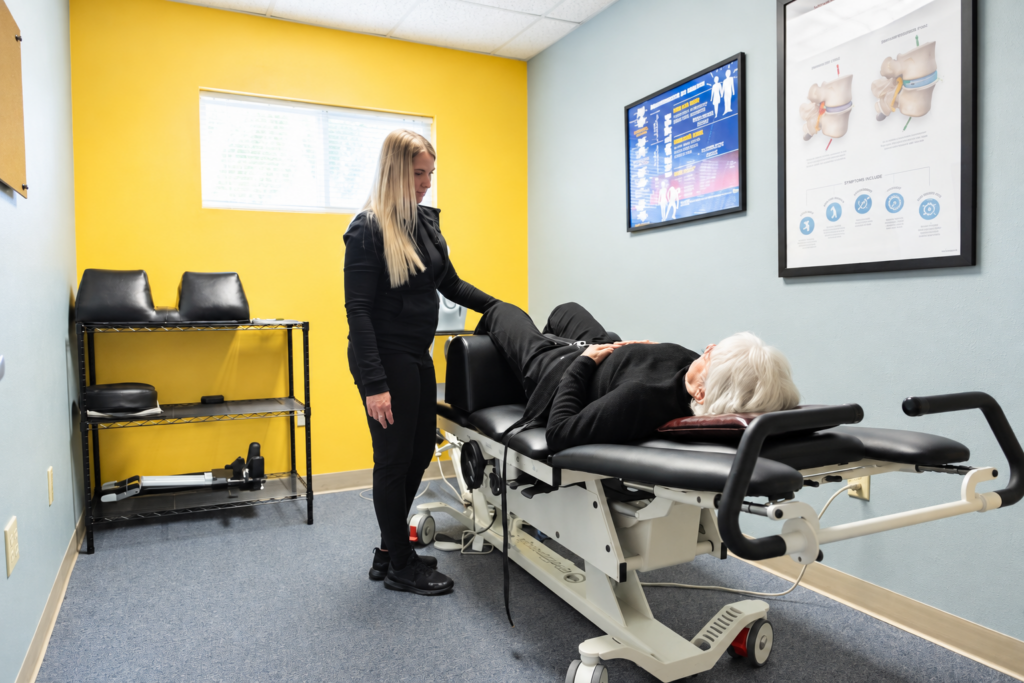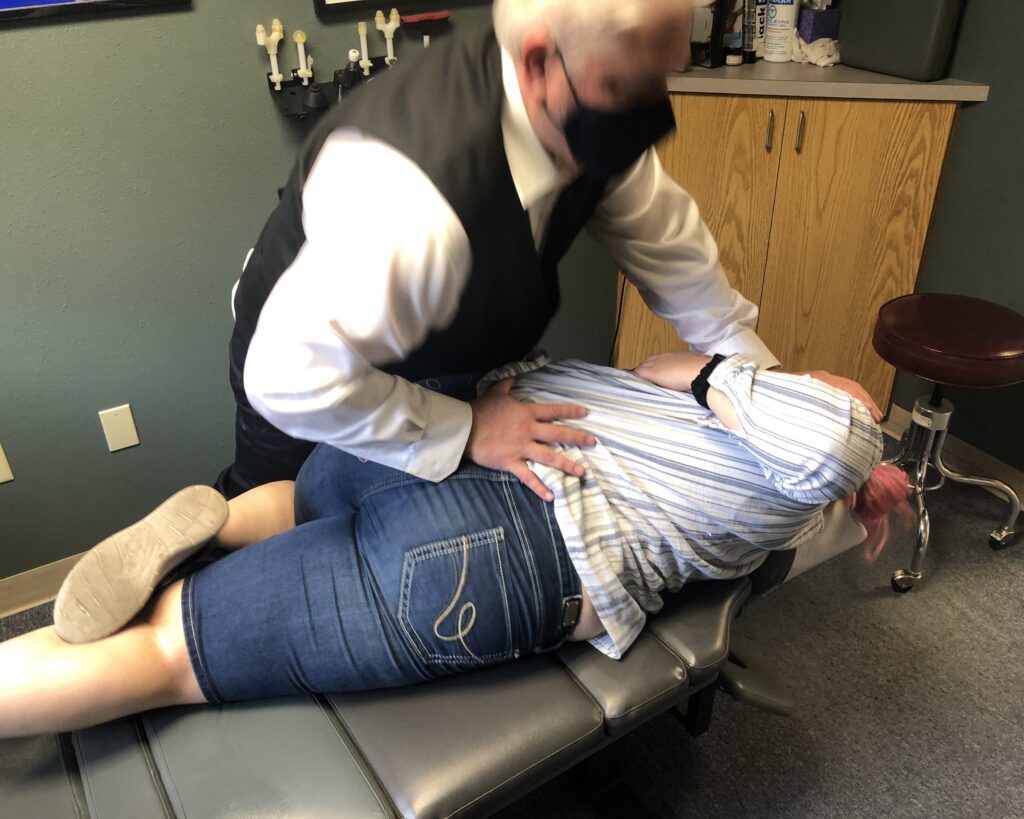

As a local chiropractor, I want to share with you just how crucial spinal alignment is for your overall flexibility. Many people don't realize that when your spine and joints are misaligned, it can restrict your movement and cause unnecessary tension in your muscles. This is where chiropractic adjustments become essential—they help enhance your range of motion and promote better posture.
However, improving flexibility goes beyond just adjustments. There are various techniques and strategies that can complement your chiropractic care and yield even greater benefits. By exploring these methods, you can develop a more effective routine that supports your body's natural healing processes.
If you're curious about how to incorporate these strategies into your daily life, I'm here to guide you on your journey to better flexibility and overall wellness!
Understanding Flexibility
As a local chiropractor, I want to share with you the importance of flexibility in maintaining your overall health and enhancing your daily performance. Many people associate flexibility with gymnasts or dancers, but the truth is, it's crucial for everyone, regardless of your fitness level or age.
Flexibility is essentially the ability of your muscles and joints to move freely through their full range of motion. This capability not only improves your physical performance but also plays a significant role in preventing injuries and promoting better posture.
When we talk about flexibility, it's important to realize that it goes beyond just stretching. It involves several factors, including muscle elasticity, joint structure, and how well your nervous system communicates with your muscles. When your muscles are flexible, they can contract and elongate more effectively, leading to smoother and more efficient movements. This can make everyday activities—like bending down to tie your shoes or lifting groceries—much more comfortable for you.
You mightn't be aware, but your lifestyle choices can significantly impact your flexibility. For instance, sitting for long periods, maintaining poor posture, and not engaging in physical activity can lead to stiffness and decreased flexibility.
As a chiropractor, I encourage my patients to incorporate regular stretching routines into their lives. This can help counteract the negative effects of a sedentary lifestyle and help you maintain a healthy range of motion.
Furthermore, understanding the different types of stretching—such as static, dynamic, and ballistic—can help you create a personalized approach to improving your flexibility. Each type serves its own purpose and can contribute to your flexibility goals.
Importance of Adjustments
As a local chiropractor, I want to take a moment to share with you the incredible benefits that regular chiropractic adjustments can bring to your overall health and well-being, particularly when it comes to enhancing flexibility and mobility.
Chiropractic care is all about aligning your spine and joints to restore proper function in your body. When these areas are misaligned, it can hinder your ability to move freely and efficiently. By addressing these misalignments through gentle adjustments, we help your body regain its natural balance, which can lead to significant improvements in your daily activities and physical exercise.
Many people come to see me not just for relief from discomfort but to unlock their body's full potential. Chiropractic adjustments also promote better circulation and reduce muscle tension, which together enhance your overall range of motion. This means incorporating stretching and flexible movements into your routine becomes much easier.
Here are a few key benefits of regular chiropractic adjustments that I believe are worth highlighting:
- Improved Posture: By correcting misalignments, we can help you maintain proper posture, which is essential for achieving greater flexibility.
- Enhanced Recovery: If you've experienced an injury, chiropractic adjustments can speed up your recovery process, allowing you to regain your flexibility much quicker.
- Reduced Stress: Adjustments relieve tension in your muscles and joints, which helps to lower stress levels. With less tension, you'll find it easier to relax and engage in stretching.
- Increased Mobility: Regular adjustments can lead to a greater range of motion in your joints, which is critical for improving flexibility.
Incorporating chiropractic adjustments into your wellness routine can truly transform your life. Not only will you feel better, but you'll also find yourself engaging in activities you love with much greater ease.
If improving your flexibility and overall health is a priority for you, I encourage you to consider making chiropractic care a part of your journey. Your body will undoubtedly thank you for it!
Stretching Techniques Modifications
As a local chiropractor, it's my mission to help you understand the benefits of chiropractic adjustments and how you can further enhance your flexibility through effective stretching techniques. Many of my patients are surprised to learn that modifying your stretching routines can significantly target specific muscle groups and improve overall flexibility.
Let me share some strategies that can help you on this journey.
First, it's important to pay attention to the intensity of your stretches. If you're feeling stiff, I recommend starting with gentle stretches. As your muscles become more pliable, you can gradually increase the intensity. Remember, it's vital not to push yourself too hard, as this could lead to injury. Always listen to your body and adjust the duration of your stretches to suit your comfort level.
Next, consider utilizing props such as yoga straps or blocks. These tools are excellent for helping you achieve deeper stretches without the risk of straining. For instance, if you find it challenging to perform a hamstring stretch, using a strap can aid in maintaining proper form without overexertion.
Another effective modification is to adjust your position during stretches. If traditional stretches don't seem to work for you, exploring alternative positions can make a difference. For example, if you struggle with a standing quad stretch, you might find that doing a lying version feels more comfortable and effective. This way, you can discover a range of motion that suits your body better.
Lastly, let's talk about the frequency of your stretching sessions. Consistency is crucial to improving flexibility, so I encourage you to aim for multiple stretching sessions each week.
Incorporating Dynamic Stretching
As a local chiropractor, I want to emphasize the important role dynamic stretching can play in enhancing your flexibility and preparing your body for physical activity.
By integrating effective dynamic stretching techniques into your routine, you may experience improved performance in your daily activities and a reduced risk of injuries.
It's also crucial to consider the right timing and frequency of these stretches to fully realize their benefits.
Benefits of Dynamic Stretching
As a local chiropractor dedicated to promoting health and wellness, I've seen firsthand the incredible benefits of incorporating dynamic stretching into your warm-up routines. This practice not only prepares your muscles but also enhances your overall physical performance, which is vital for anyone looking to maintain an active lifestyle.
Let's explore some key advantages of dynamic stretching that can support your journey toward better health:
- Increased Blood Flow: Dynamic stretching helps elevate your heart rate and improve circulation, ensuring that your muscles receive the oxygen they need for optimal function and recovery.
- Improved Range of Motion: By actively engaging your muscles through dynamic movements, you can increase your flexibility and mobility. This enhancement allows for better movement patterns, which are crucial for daily activities and sports.
- Enhanced Performance: When you incorporate dynamic stretches into your routine, you may notice improvements in your strength and agility. This can help you achieve your fitness goals more effectively, and I encourage you to embrace these movements as part of your exercise regimen.
- Injury Prevention: One of the key benefits of dynamic stretching is its role in injury prevention. By preparing your muscles and joints for the demands of exercise, you can significantly reduce the risk of strains and sprains, keeping you active and healthy.
Integrating dynamic stretching into your routine can truly transform how you approach your workouts. Many of my patients have reported feeling more limber and ready to take on their training sessions after adding these stretches to their warm-up.
Remember, it's not just about stretching; it's about preparing your body for peak performance and longevity. So, make dynamic stretching a key part of your warm-up, and you'll likely see the benefits in your overall health and athletic endeavors.
If you have any questions about how to incorporate these stretches safely, feel free to ask during your next visit!
Techniques for Effective Stretching
As a local chiropractor, I want to emphasize the importance of effective stretching in maximizing your workout potential and overall health. Incorporating dynamic stretching techniques into your routine can significantly enhance your performance and prevent injuries.
Before diving into more intense exercises, it's crucial to warm up your muscles with light aerobic activity for about five to ten minutes. This gentle movement prepares your body for the exercises ahead and helps to prevent strain.
Next, focus on specific dynamic stretches that engage the muscles you'll be using during your workout. Excellent choices include leg swings, arm circles, and walking lunges. When performing these stretches, it's important to maintain controlled and smooth movements to minimize the risk of injury.
For instance, when doing leg swings, consider standing next to a wall for support, allowing you to swing one leg forward and backward while gradually increasing your range of motion.
Additionally, incorporating rotational movements, such as torso twists, can greatly enhance your flexibility and mobility, which is vital for overall body function. Remember to breathe steadily throughout each stretch and maintain good posture, as this will support proper alignment and stability.
Aim for 10-15 repetitions of each dynamic stretch, allowing your body to adapt and open up. By weaving these techniques into your warm-up routine, you can significantly improve your flexibility and overall performance in daily activities and workouts.
Consistent practice of dynamic stretching not only enhances your range of motion but also supports natural healing and alignment, which are key components of chiropractic care.
Timing and Frequency Guidelines
As a local chiropractor, I want to share some valuable insights about dynamic stretching and how it can benefit your overall health and wellness. Many of my patients may not be familiar with the concept, so let's break it down.
Dynamic stretching is a fantastic way to enhance your flexibility and prepare your body for physical activity. It's important to perform these stretches correctly to reap the maximum benefits. Timing plays a crucial role here—ideally, you should incorporate dynamic stretching into your warm-up routine before any exercise. This helps prime your muscles and joints, ensuring they're ready for the physical demands ahead.
Here are some guidelines I recommend for effective timing and frequency of dynamic stretching:
- Warm-Up Phase: Aim to include dynamic stretching in the first 10-15 minutes of your workout. This will help get your body ready for more intense movements.
- Daily Practice: For best results, try to incorporate dynamic stretches into your routine at least 3-5 days a week. Regular practice can lead to noticeable improvements in your flexibility over time.
- Duration: Spend around 5-10 minutes on your dynamic stretches. This is enough time to effectively warm up your muscles without straining them.
- Listen to Your Body: It's essential to pay attention to how your body feels. If you experience any tightness or discomfort, don't hesitate to adjust the intensity or duration of your stretches.
Utilizing Foam Rollers
As a local chiropractor, I want to share how foam rollers can significantly enhance your flexibility routine and support your body's natural healing processes. Foam rolling offers targeted muscle relief and can greatly improve your overall mobility, which is essential for maintaining a healthy body.
By incorporating foam rolling into your daily regimen, you can effectively alleviate tightness in your muscles and fascia. This tightness often restricts your range of motion and can lead to discomfort or injury.
To get started with foam rolling, first select a roller that fits your needs. Beginners may prefer a smooth roller, while those with more experience might benefit from a textured option that provides deeper tissue work.
Begin your foam rolling session by focusing on major muscle groups such as your quadriceps, hamstrings, glutes, and upper back. Apply gentle pressure as you roll slowly, spending approximately 30 seconds on each area. If you encounter a tender spot, pause and allow the roller to sink into the muscle for a few deep breaths. This technique is excellent for releasing knots and tension, which can greatly enhance your flexibility.
It's important to maintain proper form while using the foam roller. Keep your core engaged and avoid rolling over bony areas or joints to prevent injury. You can also experiment with different positions to target various muscles. For example, lying on your side can help with the IT band, while a seated position is effective for your hamstrings.
Incorporating foam rolling into your routine both before and after workouts can further enhance your flexibility. Before exercising, foam rolling warms up your muscles and prepares them for movement, reducing the risk of injury. After your workout, it aids in recovery by helping to flush out lactic acid and improve blood circulation.
By making foam rolling a regular part of your wellness routine, you'll likely notice significant improvements in your flexibility and overall mobility, contributing to a healthier, more active lifestyle.
If you have any questions or need guidance on how to effectively use a foam roller, don't hesitate to ask during your next visit!
Targeted Strengthening Exercises
As a local chiropractor, I want to share how incorporating targeted strengthening exercises into your routine can significantly enhance your flexibility and overall athletic performance. Many people may not realize that these exercises do more than just build muscle; they also improve your range of motion, making various activities easier and more enjoyable. By focusing on specific muscle groups, we can address any tightness or imbalances that may be hindering your flexibility.
Here's why I believe adding targeted strengthening exercises to your wellness plan is beneficial:
- Enhanced Balance: Strengthening specific muscle groups can improve your stability, which is crucial for maintaining proper form during stretches. This balance not only helps in physical activities but also contributes to your overall well-being.
- Injury Prevention: When you build strength around your joints, you significantly reduce the risk of injuries that can occur during flexibility exercises. This is especially important for those who are active or looking to increase their physical activities.
- Better Muscle Control: Stronger muscles facilitate more controlled movements, allowing you to execute stretches with greater precision. This control is vital for maximizing the benefits of your flexibility routine.
- Improved Posture: Targeted strength training can help correct postural imbalances, leading to better alignment in your body. Good posture isn't just about looking good; it also plays a crucial role in how your body functions and feels.
To get started, I recommend focusing on exercises that engage major muscle groups, such as squats, lunges, and planks. Incorporating resistance bands or weights can add intensity and further challenge your muscles.
Remember, consistency is essential; aim to perform these exercises two to three times a week. As you gradually build strength, you'll likely notice improvements in your flexibility and overall performance.
Don't underestimate the power of targeted strengthening exercises. They can play a vital role in your journey to becoming more flexible and agile, and ultimately, they contribute to your overall health and wellness. If you have any questions or need guidance on these exercises, feel free to reach out during your next visit!
Breathing Techniques for Flexibility
As a local chiropractor, I want to share some insights on how breathing techniques can significantly enhance your flexibility, which is vital for overall health and well-being. While strengthening exercises are essential, integrating proper breathing into your flexibility routine can make a remarkable difference.
When you engage in stretching, focusing on your breath is crucial. Take a deep inhale through your nose, allowing your diaphragm to expand fully, and then exhale gently through your mouth. This practice not only calms your mind but also helps your muscles relax, making your stretches more effective.
When you're in a stretch, visualize the area you're working on filling with air as you breathe in. This mental imagery can help you connect with your body, fostering a sense of openness. As you exhale, picture releasing any tightness or discomfort.
Embracing this breathing cycle keeps you present during your stretches, enabling you to safely explore your limits. Another beneficial technique is the 4-7-8 breathing method: inhale for a count of four, hold your breath for seven, and then exhale for eight. This rhythmic pattern promotes relaxation and improves oxygen flow to your muscles, which is vital for recovery and flexibility.
It's also important to incorporate mindful breathing into your daily routine, especially during stressful times. Stress can lead to physical tension, which hinders your flexibility.
By regularly practicing these breathing techniques, you may find that you can stretch more effectively and move with greater ease, enhancing your overall flexibility. Remember, every breath you take is a step toward better health and flexibility!
If you have any questions about how chiropractic care can support your flexibility and overall wellness, feel free to ask.
Creating a Consistent Routine
As your local chiropractor, I want to emphasize the importance of incorporating daily stretching into your routine to enhance your flexibility.
Establishing specific times each day for stretching can significantly benefit your overall spinal health and mobility. It's also important to mix up your stretching routine to keep it engaging and effective, which can help prevent plateaus in your progress.
Additionally, I encourage you to regularly track your progress; this not only keeps you motivated but also allows you to see the improvements in your body over time.
Establish Daily Stretching Times
As a chiropractor dedicated to promoting natural healing and overall well-being, I want to emphasize the importance of incorporating daily stretching into your routine. Stretching not only enhances flexibility but also complements the benefits of chiropractic care by promoting better posture and reducing muscle tension.
Establishing specific times for stretching can significantly improve your chances of making it a consistent practice.
Here are some practical tips to help you incorporate daily stretching into your life:
- Select a time that fits your lifestyle: Take a moment to evaluate your daily schedule and choose a time that works best for you—whether that's in the morning to wake up your muscles, during your lunch break for a midday refresh, or in the evening to unwind before bed.
- Utilize reminders: To help you stay on track, set up alarms or calendar notifications that gently remind you when it's time to stretch. This will create a routine that's hard to overlook.
- Keep your sessions brief: Aim for 10-15 minutes of stretching each day. This approach makes it manageable and less daunting, encouraging consistency in your practice.
- Designate a stretching space: Find a quiet and comfortable area in your home where you can stretch without distractions. Having a dedicated space makes the practice more inviting and enjoyable.
By integrating these tips into your daily routine, you can enhance the benefits of your chiropractic treatments and support your body's natural healing process.
Incorporate Variety in Routine
As a chiropractor, I want to emphasize the importance of incorporating variety into your stretching routine. Not only does this keep your practice interesting, but it also challenges your muscles in new ways, leading to improved flexibility and overall wellness. If you consistently perform the same stretches without variation, your body can adapt, causing you to hit a plateau in your progress.
To combat this, I encourage you to mix up your stretching routine by exploring different types of stretches, such as dynamic, static, or PNF (proprioceptive neuromuscular facilitation). Each type offers unique benefits and can target your muscles differently, which is crucial for balanced development and injury prevention.
Additionally, consider altering the order of stretches you perform or adjusting the duration you hold each position. For instance, if you usually hold your hamstring stretch for 30 seconds, try extending it to 45 seconds or transition to a dynamic hamstring stretch for a fresh challenge. Incorporating tools like resistance bands or yoga blocks can also enhance your stretching experience and provide an additional layer of resistance that can further engage your muscles.
It's crucial to pay attention to various muscle groups throughout your routine. If you've been concentrating on your lower body, try shifting your focus to your upper body or core. This variation not only keeps your routine fresh but also helps to prevent injuries and enhance your overall flexibility.
Track Progress Regularly
As a local chiropractor dedicated to promoting natural healing and overall wellness, I want to emphasize the importance of tracking your progress when it comes to developing a consistent stretching routine that enhances flexibility.
Monitoring your advancements not only keeps you motivated but also allows you to discover what methods are most effective for your body. Here are some practical strategies to help you track your progress effectively:
- Set Clear Goals: Start by defining specific flexibility targets that resonate with you, such as touching your toes or achieving a particular split. Having clear goals gives you something tangible to work towards.
- Document Your Routine: I encourage you to keep a journal or use a mobile app to log your stretching sessions. Note the types of stretches you perform, the duration, and any discomfort you may feel. This documentation can provide valuable insights over time.
- Take Regular Measurements: Evaluate your flexibility using simple assessments, like the sit-and-reach test or hip flexibility tests. Regular measurements can help you see how far you've come and where you may need to focus more attention.
- Reflect on Your Feelings: After each stretching session, take a moment to notice how your body feels. Understanding your physical sensations and improvements is key to recognizing the benefits of your routine.
By incorporating these tracking methods into your flexibility journey, you can enhance your chiropractic care and foster a deeper connection with your body's natural healing process.
Conclusion
As your local chiropractor, I want to share how incorporating chiropractic adjustments into your wellness routine can significantly enhance your flexibility. Many people may not realize that misalignments in the spine and joints can lead to issues like poor posture and restricted movement. By addressing these misalignments through chiropractic care, you can improve your posture, enhance circulation, and enjoy a greater range of motion.
It's important to remember that chiropractic adjustments work best when paired with effective stretching techniques, dynamic movements, and targeted strengthening exercises. Additionally, incorporating proper breathing techniques can further support your flexibility journey.
I encourage you to stay consistent with your chiropractic visits and complementary exercises. Not only will this boost your flexibility, but it will also help reduce the risk of injury, allowing you to fully enjoy your physical activities. If you have any questions or would like to learn more about how chiropractic care can benefit your flexibility and overall health, feel free to reach out!