
If you're dealing with chronic back pain, you might be wondering about effective non-invasive solutions that can help you regain control of your life. From physical therapy techniques to acupuncture, various approaches exist that don't require surgical intervention. You may find that combining different methods, like mindfulness with chiropractic adjustments, can enhance your overall well-being. But before you decide which path to take, it's crucial to understand how each option can specifically benefit you and what factors to evaluate for ideal relief.
Physical Therapy Techniques
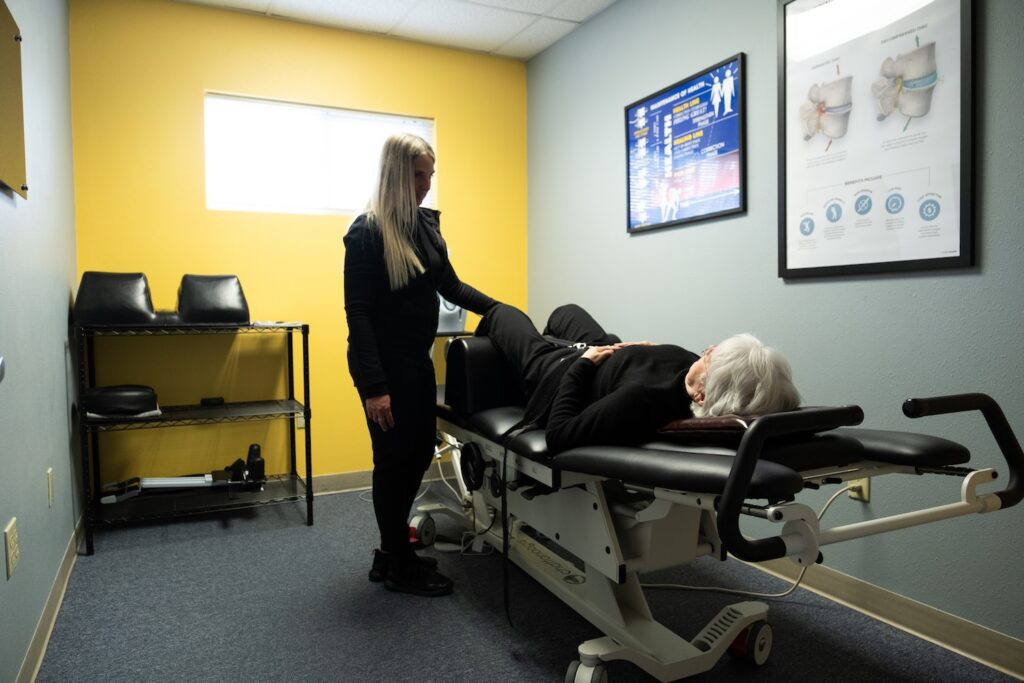
How can physical therapy techniques help you manage chronic back pain? You'll find that these techniques focus on improving your mobility, strength, and overall function. By working with a physical therapist, you'll learn exercises tailored to your specific needs and conditions. These exercises not only alleviate pain but also prevent future issues.
One of the primary methods employed in physical therapy is manual therapy. This hands-on approach helps to reduce muscle tension, improve circulation, and enhance movement. Your therapist may use techniques such as soft tissue mobilization or joint mobilization to target the affected areas, promoting relaxation and healing.
In addition to manual therapy, your treatment plan might include therapeutic exercises. These exercises are designed to strengthen the muscles supporting your spine, improve flexibility, and enhance your posture. As you progress, the therapist will adjust the exercises to guarantee you're challenged appropriately, helping you achieve better outcomes over time.
Education is another crucial component of physical therapy. Your therapist will guide you on proper body mechanics and posture, which can greatly impact your pain levels. They might also provide advice on ergonomics, suggesting modifications to your workspace and daily activities to minimize strain on your back.
Finally, physical therapy may incorporate modalities such as heat, cold, or electrical stimulation, all of which can help reduce discomfort and promote healing. By engaging in these techniques, you'll empower yourself to take control of your chronic back pain and enhance your quality of life.
Chiropractic Adjustments
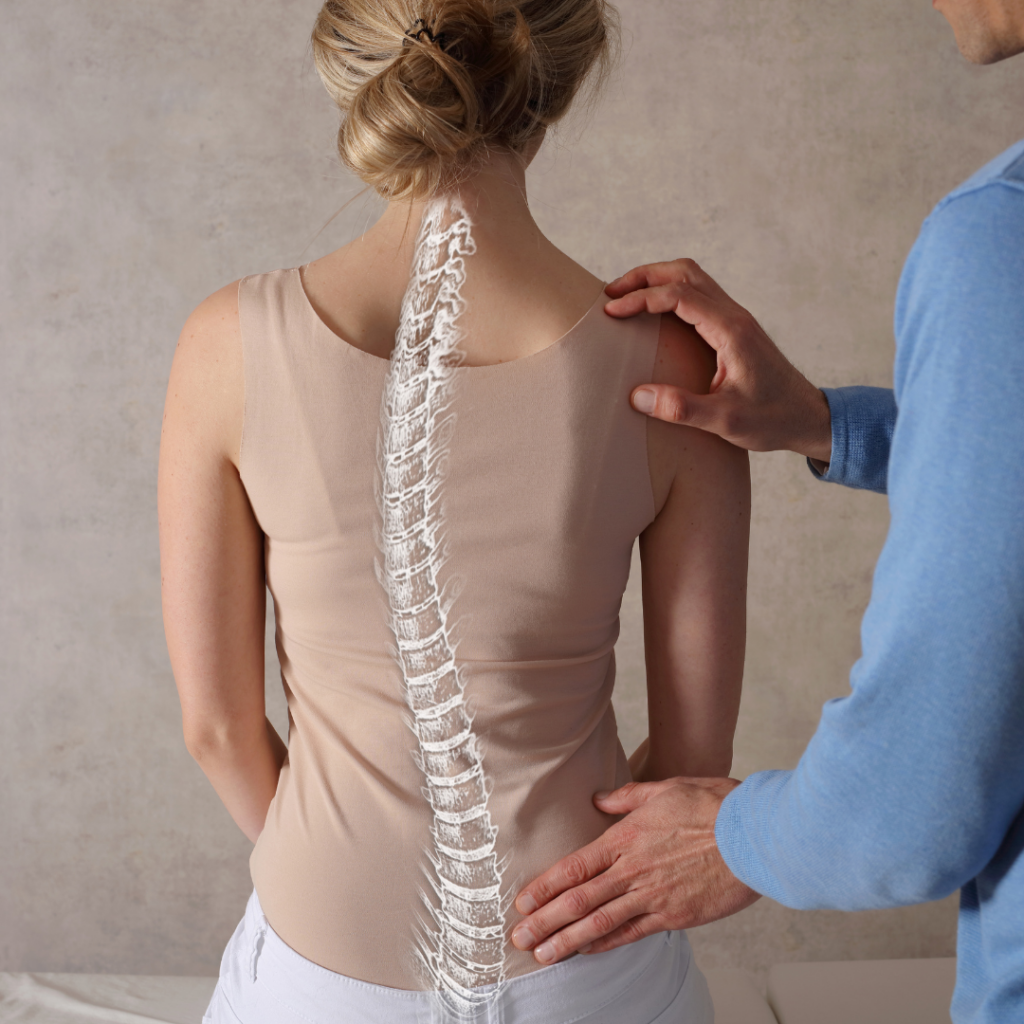
Chiropractic adjustments can offer significant relief for your chronic back pain.
These adjustments involve various techniques aimed at realigning your spine and improving overall function.
Benefits of Chiropractic Care
When it comes to managing chronic back pain, chiropractic adjustments offer a proactive approach that can greatly enhance your overall well-being.
These adjustments focus on aligning your spine and improving your body's function, which can lead to significant relief from pain. By addressing misalignments, you're not just treating the symptoms but also tackling the root causes of your discomfort.
You'll likely notice improved mobility and flexibility after just a few sessions. This increase in range of motion can help you engage in daily activities and exercise without fear of exacerbating your pain.
Additionally, chiropractic care promotes better posture, which is essential for preventing future back issues.
Another benefit is the reduction of stress and tension in your body. Chiropractic adjustments can stimulate the release of endorphins, your body's natural painkillers, helping you feel more relaxed and at ease.
Plus, regular visits can foster a stronger mind-body connection, making you more aware of your body's needs.
Techniques Used in Adjustments
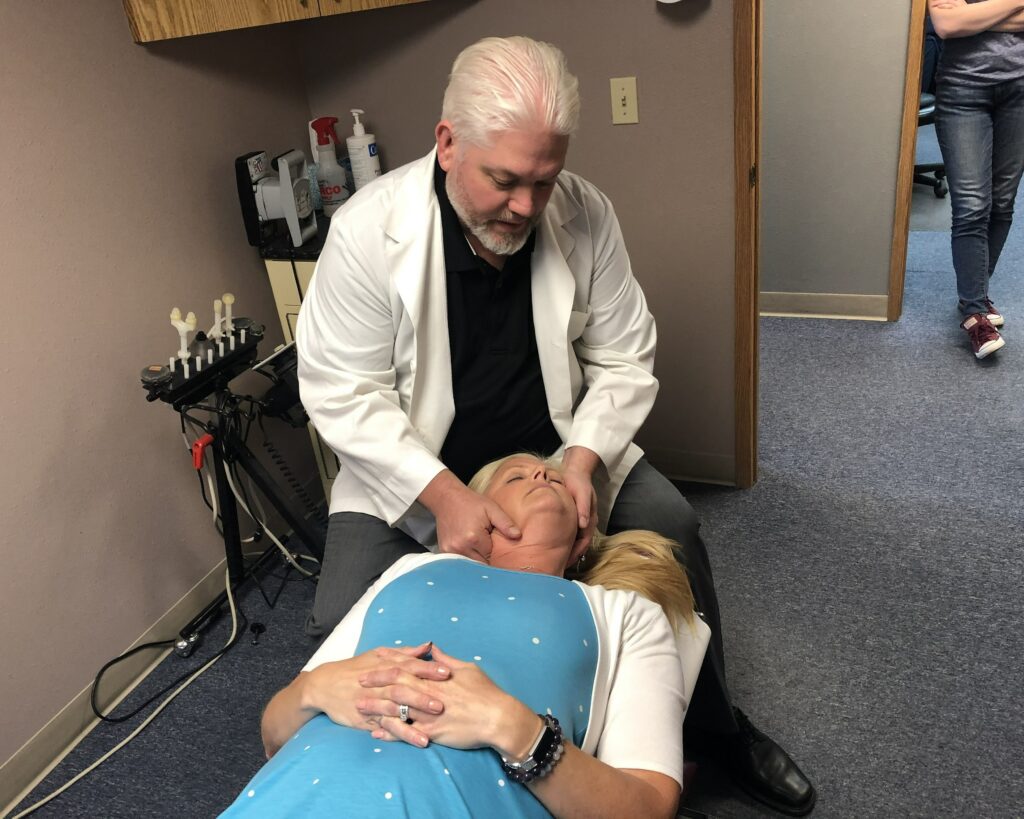
Adjustments in chiropractic care use a variety of techniques designed to restore spinal alignment and improve overall function.
One of the most common methods is the spinal manipulation technique, often referred to as the "diversified technique." Here, your chiropractor applies quick thrusts to specific areas of your spine, helping to release tension and improve mobility.
Another technique is the Gonstead method, which involves a thorough examination and precise adjustments tailored to your needs. This method focuses on correcting misalignments while minimizing discomfort.
If you're looking for a gentler approach, the Activator method might be your best option. This technique uses a small handheld device to deliver a controlled, low-force impulse to specific areas.
Additionally, the Thompson technique incorporates specialized tables that drop slightly during adjustments, allowing for a less forceful approach while still achieving effective results.
Your chiropractor may also use soft tissue techniques, such as myofascial release, to address muscle tension around the spine.
Acupuncture Benefits
Acupuncture can offer you effective pain relief by stimulating specific points in your body, promoting the release of natural painkillers.
You'll likely notice improved mobility outcomes as it helps reduce muscle tension and inflammation.
Plus, the stress reduction techniques involved can enhance your overall well-being, making it a holistic approach to managing chronic back pain.
Pain Relief Mechanism
While many seek relief from chronic back pain through various methods, acupuncture stands out due to its unique pain relief mechanism. This ancient practice involves inserting thin needles into specific points on your body, which stimulates the nervous system and triggers a cascade of physiological responses.
As the needles penetrate the skin, they promote the release of endorphins, your body's natural painkillers. These endorphins interact with the brain's receptors, effectively reducing your perception of pain.
Additionally, acupuncture can enhance blood circulation, promoting healing and reducing inflammation in affected areas. You might also experience a reduction in muscle tension, which can alleviate discomfort and improve your overall sense of well-being.
Studies suggest that acupuncture can modulate pain signals sent to the brain, further contributing to its effectiveness.
Improved Mobility Outcomes
When it comes to managing chronic back pain, improved mobility outcomes can greatly enhance your quality of life. By incorporating acupuncture into your treatment plan, you may experience significant improvements in your ability to move freely and comfortably. This ancient practice stimulates specific points on your body, promoting blood flow and reducing inflammation. As a result, you might find it easier to perform daily activities without the limitations that back pain often imposes.
Acupuncture also helps in restoring balance to your body's energy pathways, which can lead to increased flexibility and a greater range of motion. You could notice that simple tasks, such as bending down to pick something up or standing for extended periods, become less intimidating.
With improved mobility, you'll likely feel more confident in engaging in physical activities you enjoy. Additionally, regular acupuncture sessions can provide lasting benefits, allowing you to maintain your mobility over time. The cumulative effects can build upon each other, resulting in a more active lifestyle.
Ultimately, by addressing both pain and mobility, acupuncture can empower you to reclaim your life and enjoy the activities you love without the constant burden of chronic back pain.
Stress Reduction Techniques
Improved mobility can lead to a more active lifestyle, but managing stress is equally important for overall well-being. Chronic back pain often brings frustration and anxiety, which can exacerbate your condition. Incorporating stress reduction techniques into your routine can help alleviate pain and improve your quality of life.
One effective method is acupuncture. This ancient practice involves inserting thin needles into specific points on your body to promote energy flow and relieve tension. Many people find that acupuncture reduces their pain levels and helps them relax. By targeting stress responses, it can also enhance your emotional well-being.
Additionally, mindfulness meditation can be incredibly beneficial. Taking just a few minutes each day to focus on your breath can clear your mind and reduce stress. Practicing deep breathing exercises can further help you find peace and calm during difficult moments.
Don't overlook the power of physical activity, like yoga, which combines movement with mindfulness. This can improve both your flexibility and mental clarity.
Mindfulness and Meditation
Mindfulness and meditation offer powerful tools for managing chronic back pain, allowing you to cultivate a deeper awareness of your body and its sensations. By focusing your attention on the present moment, you can reduce stress and tension, two major contributors to back pain. When you practice mindfulness, you learn to observe your thoughts and feelings without judgment, which can help you detach from the pain and view it more objectively.
Start by finding a quiet space where you can sit or lie comfortably. Close your eyes and take a few deep breaths, letting your abdomen rise and fall with each inhale and exhale. As you breathe, direct your attention to the areas of your back that are experiencing discomfort. Instead of resisting or fearing the pain, acknowledge it. This acceptance can lessen the emotional charge around your sensation.
You can also explore guided meditation specifically designed for pain relief. Many apps and online resources offer sessions that focus on relaxation and body awareness. These can help you develop a routine that fits your lifestyle and keeps you engaged.
Over time, regular mindfulness practice can change the way you perceive pain, making it feel more manageable. You might find that, as you become more in tune with your body, you're better equipped to respond to the signals it sends you.
This self-awareness not only aids in pain management but can enhance your overall well-being, making daily activities more enjoyable and less intimidating.
Massage Therapy
Exploring non-invasive solutions like mindfulness can pave the way for other effective therapies, such as massage therapy. If you're dealing with chronic back pain, massage therapy might be just what you need to alleviate discomfort and promote relaxation. This hands-on approach focuses on manipulating the muscles and soft tissues, helping to release tension and improve circulation.
When you engage in regular massage sessions, you're not only addressing localized pain but also fostering a sense of overall well-being. Various techniques, like deep tissue or Swedish massage, can target specific areas of discomfort while enhancing your body's natural healing processes. By increasing blood flow, massage helps to deliver essential nutrients to muscles and tissues, which can further aid in recovery.
Moreover, massage therapy can greatly reduce stress and anxiety, which are often intertwined with chronic pain. As you experience relaxation during the session, your body releases endorphins—natural painkillers that can help create a more positive state of mind.
If you've never tried massage before, it's worth exploring different styles and finding a qualified therapist who understands your unique needs.
Incorporating massage therapy into your routine can be a game-changer for managing chronic back pain. Remember to communicate openly with your therapist about your pain levels and any areas of concern. This way, you can tailor each session to bring you maximum relief and promote a deeper connection to your body's healing journey.
Heat and Cold Therapy
When you're managing chronic back pain, incorporating heat and cold therapy into your routine can provide significant relief. Both methods work differently but can complement each other effectively.
Heat therapy helps to relax and loosen tissues, increasing blood flow to the affected area. You can use a heating pad, warm towel, or even take a warm bath to apply heat. Try to keep the heat source on your back for about 15-20 minutes. It's especially effective if your pain is due to muscle tension or stiffness.
Remember, however, to avoid using heat if you have swelling, as it can exacerbate inflammation.
On the other hand, cold therapy reduces inflammation and numbs sharp pain. Ice packs or a bag of frozen vegetables wrapped in a cloth can work well. Apply cold therapy for 10-15 minutes at a time, especially after activities that might aggravate your back pain.
Cold therapy is best for acute pain or swelling, particularly if you've recently experienced an injury.
Finally, listen to your body. Some people find heat works better for their pain, while others prefer cold. You might even alternate between the two for ideal results.
Conclusion
Incorporating these top non-invasive solutions for chronic back pain can greatly enhance your quality of life. By combining physical therapy, chiropractic care, and acupuncture with mindfulness practices and massage, you're setting yourself up for better mobility and reduced pain. Don't underestimate the power of heat and cold therapy, too. Explore these options and find what works best for you—your journey to relief starts now, and you deserve to feel your best every day.