
When it comes to managing back pain, you might wonder why non-invasive options are often recommended over more aggressive treatments. These methods not only reduce the risk of complications but also provide a more holistic approach to healing. By focusing on techniques like physical therapy, chiropractic care, and acupuncture, you can address the underlying issues while promoting long-term wellness. But what exactly sets these approaches apart, and how can they empower you on your journey to relief?
Understanding Back Pain
Back pain is a common issue that many people experience at some point in their lives. You might find it surprising how prevalent this condition is, affecting individuals of all ages and lifestyles. Understanding the nature of your back pain is vital for addressing it effectively. It can stem from various sources, including muscle strain, poor posture, or underlying medical conditions.
When you feel that ache in your back, it's important to reflect on what might've triggered it. Did you lift something heavy? Have you been sitting for too long? These actions can lead to muscle tension, which is often the culprit behind your discomfort.
Additionally, stress and anxiety can manifest physically, contributing to tightness and pain in your back.
The location of your pain also matters. Is it localized to one area, or does it radiate? This can help you identify whether your pain might be related to muscle issues or something more complex, like nerve involvement.
Being aware of any accompanying symptoms, such as numbness or tingling, is equally significant, as these could indicate a more serious issue.
You can take proactive steps to manage your back pain by maintaining a healthy lifestyle, incorporating regular exercise, and practicing good posture.
Risks of Invasive Treatments
When considering treatment options for back pain, it's vital to weigh the risks of invasive procedures carefully. While surgery or injections may seem like quick fixes, they come with potential complications that you shouldn't ignore.
First, infections can occur at the site of surgery or injection, leading to additional pain and recovery time. These infections may require further medical intervention, which can prolong your discomfort and complicate your recovery.
You also face the risk of nerve damage during invasive procedures, which might result in numbness, weakness, or even chronic pain—ironically exacerbating the very issues you aimed to resolve.
Furthermore, anesthesia carries its own set of risks. Adverse reactions can occur, ranging from mild to severe, and these can affect your overall health.
Recovery times for invasive treatments can vary greatly, often requiring extended periods of physical therapy or rest, which means more time away from activities you enjoy.
Not to mention, there's always a chance that the invasive treatment won't provide the relief you expect. In some cases, patients find themselves in the same or worse condition post-surgery, leading to a cycle of disappointment and further treatments.
Ultimately, before opting for an invasive procedure, you should thoroughly assess these risks. Understanding what's at stake can empower you to make informed decisions about your back pain treatment.
Consider all your options carefully, and consult with your healthcare provider to explore the safest approaches available.
Benefits of Non-Invasive Options
What if you could find relief from back pain without the risks associated with surgery or injections? Choosing non-invasive options can provide you with a safe and effective path to recovery.
These methods often focus on addressing the root causes of your pain, helping you regain mobility and improve your quality of life without the complications that come with more aggressive treatments.
Here are some benefits of non-invasive options:
- Minimal Risk: You won't face the complications that often accompany surgical interventions, such as infections or prolonged recovery times.
- Cost-Effective: Non-invasive treatments like physical therapy or chiropractic care typically cost less than surgeries, saving you money in the long run.
- Improved Functionality: Many non-invasive methods can enhance your overall mobility, allowing you to return to your daily activities quicker and with less pain.
- Empowerment: Non-invasive options often involve education about your body and pain management, giving you the tools to take control of your health.
Physical Therapy Techniques
Non-invasive options like physical therapy can greatly aid in your recovery from back pain. Physical therapy focuses on restoring movement, strengthening muscles, and improving flexibility, which are fundamental for alleviating pain and preventing future issues.
When you visit a physical therapist, they'll assess your specific condition and develop a personalized treatment plan tailored to your needs.
One effective technique often used in physical therapy is manual therapy. This hands-on approach involves the therapist manipulating your muscles and joints to reduce stiffness and improve mobility. You'll likely experience increased range of motion and decreased pain during this process.
Another key component is therapeutic exercises. Your therapist will guide you through specific movements designed to strengthen your core and back muscles. These exercises not only help in relieving pain but also play a critical role in stabilizing your spine, enabling you to function better in daily activities.
Additionally, modalities like heat and ice therapy can be incorporated to manage pain and inflammation. Heat can relax tight muscles, while ice can help reduce swelling after activity.
Finally, your therapist may teach you proper body mechanics and posture techniques. This knowledge is essential for preventing future injuries and ensuring that you move safely and effectively throughout your daily life.
Chiropractic Care Insights
Chiropractic care offers a range of benefits that can greatly enhance your back pain management.
By focusing on a holistic approach to healing, chiropractors not only address your immediate discomfort but also promote overall wellness.
Plus, implementing preventative care strategies can help you maintain a healthier spine and reduce the risk of future issues.
Benefits of Chiropractic Adjustments
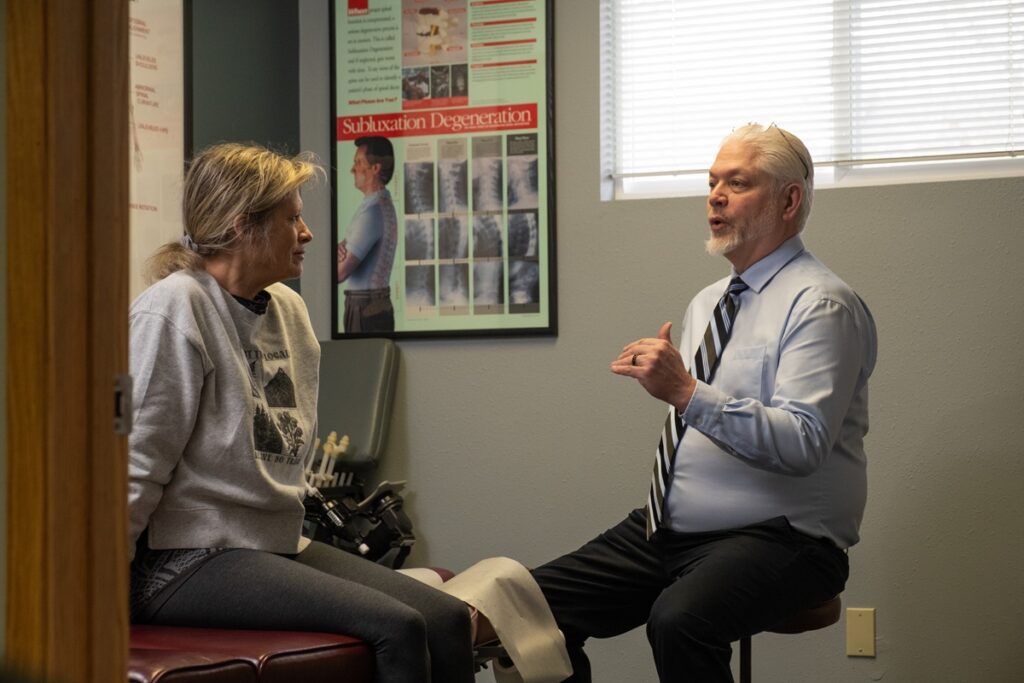
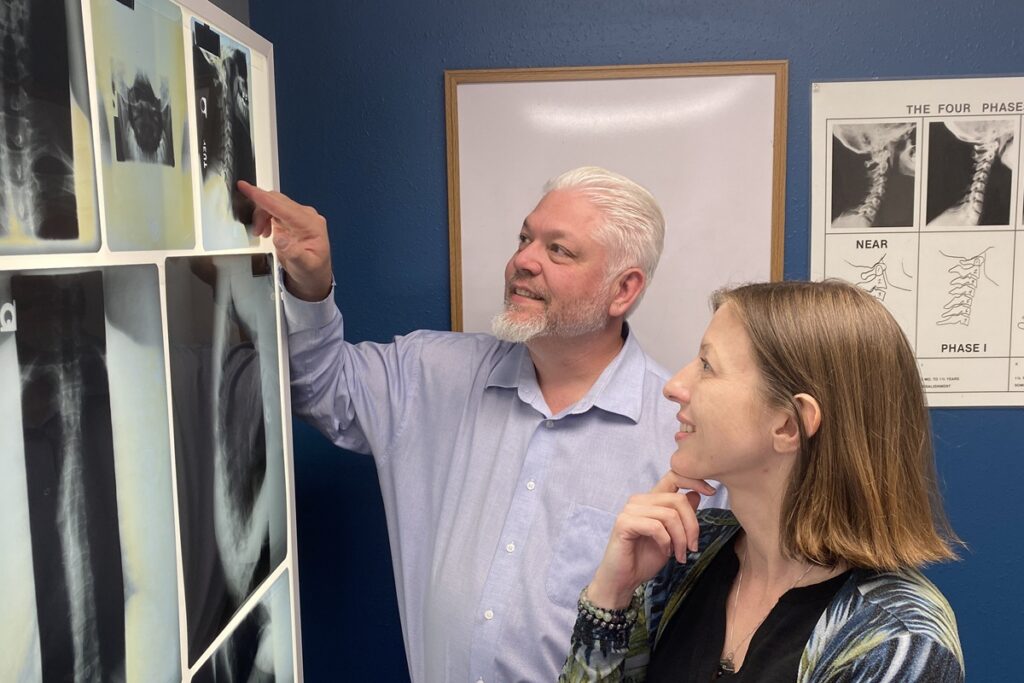
When you're struggling with back pain, chiropractic adjustments can offer significant relief and help restore your body's natural alignment. These treatments focus on correcting misalignments in your spine, which can alleviate pressure on nerves and improve overall function.
By visiting a chiropractor, you'll often notice several benefits that enhance your quality of life.
- Pain Relief: Chiropractic adjustments can provide immediate pain relief for many individuals, reducing discomfort in your back, neck, and joints.
- Improved Mobility: Regular adjustments can enhance your range of motion, allowing you to move more freely and engage in daily activities without restrictions.
- Better Posture: Chiropractors help you achieve and maintain proper posture, which can prevent future back pain and promote long-term spinal health.
- Holistic Wellness: Chiropractic care emphasizes overall well-being, addressing not just your back pain but also improving your body's ability to heal itself.
Incorporating chiropractic adjustments into your routine can be a game-changer in your journey toward a healthier back and a more active lifestyle.
Don't underestimate the power of these non-invasive options!
Holistic Approach to Healing
How can a holistic approach transform your healing journey? By focusing on the whole person, not just the symptoms, you can reveal deeper insights into your back pain. Chiropractic care embraces this philosophy, aiming to restore balance to your body and mind. Rather than solely addressing your discomfort, your chiropractor will consider your lifestyle, emotional state, and overall health.
When you engage in a holistic approach, you'll likely explore various techniques to supplement your chiropractic adjustments. This may include nutritional advice, stress management, and exercises tailored to your unique needs. Each aspect works in harmony to promote healing from the inside out.
Moreover, this approach fosters a strong partnership with your chiropractor. You'll feel empowered to take charge of your health, cultivating awareness around habits that may contribute to your pain. It's not just about immediate relief; it's about creating sustainable wellness.
Ultimately, a holistic approach can help you rediscover balance and liveliness. By addressing the root causes of your back pain, you pave the way for lasting recovery, enhancing your quality of life and overall well-being. Embrace this journey, and watch as your healing unfolds.
Preventative Care Strategies
Embracing a holistic approach not only aids in healing but also sets the stage for effective preventative care strategies.
By integrating chiropractic care into your routine, you can take proactive steps to maintain spinal health and prevent future issues. Here are some strategies you can adopt:
- Regular Chiropractic Adjustments: These help keep your spine aligned, reducing stress on your back muscles and joints.
- Strengthening Exercises: Targeting core muscles through specific exercises can provide better support for your spine, decreasing the likelihood of pain.
- Posture Awareness: Being mindful of your posture while sitting, standing, or lifting can prevent undue strain on your back.
- Stress Management Techniques: Practices like yoga or meditation can reduce tension in your body, which often contributes to back pain.
Role of Acupuncture
Acupuncture has gained recognition as a viable non-invasive treatment for back pain, offering relief for many who struggle with this common ailment. This ancient practice involves inserting thin needles into specific points on your body, aiming to restore balance and promote healing. If you're considering acupuncture, it's important to understand how it can help alleviate your back pain.
When you undergo acupuncture, your body releases endorphins, which are natural painkillers. This can greatly reduce discomfort and improve your overall sense of well-being. Many people report experiencing immediate relief after just one session, while others find that regular treatments lead to more sustained benefits over time.
Acupuncture also enhances blood flow and reduces inflammation in the affected areas. Improved circulation helps deliver essential nutrients to your muscles and tissues, promoting faster recovery and alleviating stiffness.
You might be curious about the process itself. A licensed acupuncturist will first assess your condition and may ask about your medical history. Then, they'll insert the needles at strategic points tailored to your specific pain and symptoms. It's often described as a gentle tingling or warmth, but it shouldn't be painful.
In addition to addressing back pain, acupuncture can help with stress relief and overall wellness, making it a holistic approach to health. If you're looking for a non-invasive way to manage your back pain, acupuncture could be a valuable option to explore. Give it a try and see how it works for you!
Mindfulness and Pain Management
Mindfulness can be a powerful tool for managing back pain, offering benefits like reduced stress and improved focus on your body.
By practicing techniques such as deep breathing and body scans, you can enhance your pain relief experience.
Let's explore how incorporating mindfulness into your routine can make a difference in your overall well-being.
Benefits of Mindfulness
A growing body of research highlights the powerful role mindfulness can play in managing back pain. By incorporating mindfulness into your daily routine, you can experience significant benefits that extend beyond just pain relief.
This technique encourages you to focus on the present moment, helping you develop a healthier relationship with your body and pain.
Here are some benefits you might find when practicing mindfulness:
- Reduced Stress: Mindfulness can lower anxiety levels, which often exacerbate pain.
- Enhanced Awareness: You'll become more attuned to your body, allowing you to recognize pain triggers and respond appropriately.
- Improved Emotional Regulation: Mindfulness helps you manage negative thoughts and emotions associated with pain, leading to a more positive outlook.
- Greater Resilience: Regular practice can build your mental strength, making it easier to cope with discomfort when it arises.
Techniques for Pain Relief
Exploring various techniques for pain relief can enhance the benefits you gain from mindfulness practices. Integrating mindfulness with specific pain management strategies can empower you to take control of your back pain.
One effective technique is deep breathing. Focusing on your breath helps ground you in the moment, reducing anxiety and tension that often accompany pain.
Another method is progressive muscle relaxation. By systematically tensing and relaxing each muscle group, you can release physical tension and cultivate a deeper awareness of your body. This practice not only alleviates discomfort but also promotes a sense of calm.
Visualization techniques can also be beneficial. Picture a peaceful scene or a healing process happening within your body. This mental imagery can shift your focus away from pain and foster a more positive mindset.
Lastly, consider incorporating gentle yoga or stretching into your routine. These movements, when paired with mindfulness, can improve flexibility and reduce stiffness, providing further relief.
Making an Informed Choice
When it comes to managing back pain, countless non-invasive options are available, making it vital to choose the right approach for your needs.
You've likely heard about various methods, but understanding which ones align with your lifestyle and pain levels is essential. By doing your homework, you can make an informed choice that suits you best.
Here are some factors to take into account when evaluating your options:
- Effectiveness: Look for treatments with proven results, whether it's physical therapy, chiropractic care, or acupuncture.
- Safety: Non-invasive doesn't always mean risk-free. Research potential side effects and ascertain the method you choose is safe for your specific condition.
- Cost: Different options come with varying price tags. Check your insurance coverage and reflect on out-of-pocket expenses to find a solution that fits your budget.
- Personal Preference: Some people respond better to hands-on treatments, while others prefer self-managed techniques like yoga or mindfulness. Choose what feels right for you.
As you weigh your choices, don't hesitate to consult with healthcare professionals. They can provide personalized recommendations based on your medical history and current condition.
Conclusion
In choosing non-invasive options for back pain, you're prioritizing your health and well-being. These methods not only reduce risks associated with invasive treatments but also empower you to understand and manage your pain effectively. By exploring physical therapy, chiropractic care, and acupuncture, you can enhance your mobility and promote long-term wellness. Remember, making informed choices about your treatment can lead to a healthier, pain-free life. Embrace these holistic approaches for a brighter, more comfortable future.