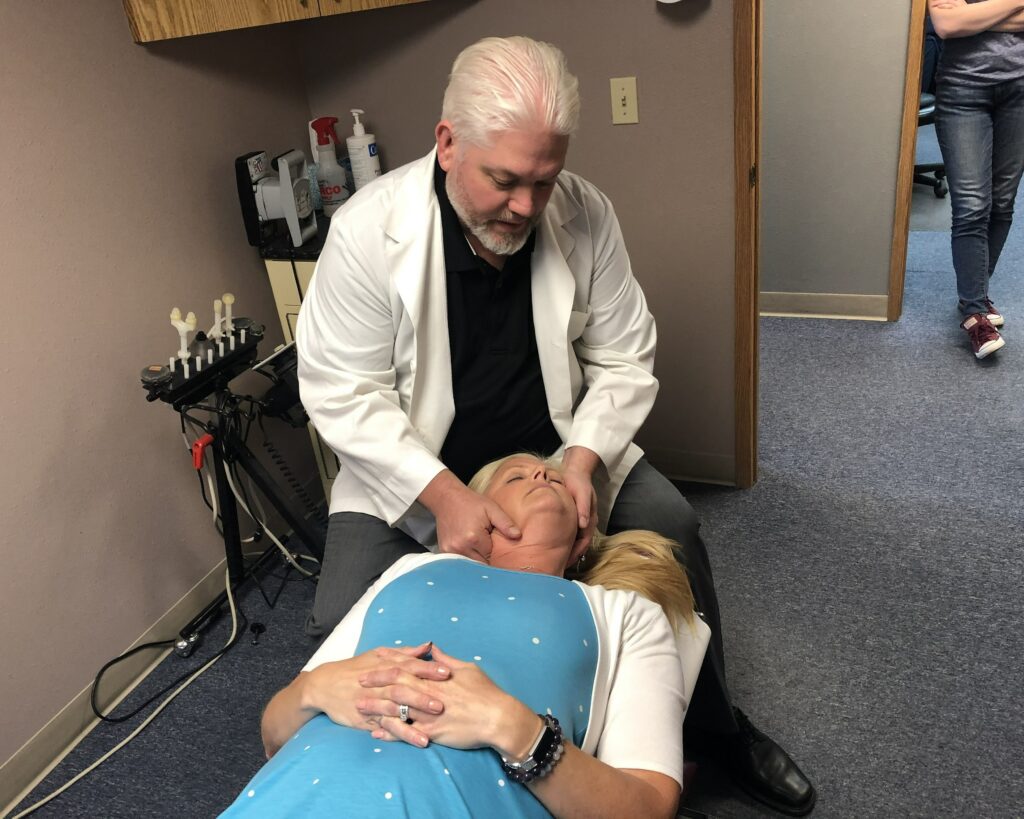

When you think about athletic recovery, you might not immediately consider the role of chiropractors, but their expertise can greatly enhance your performance. By focusing on spinal alignment and joint mobility, they help alleviate discomfort and prevent injuries. Their personalized treatment plans and pain management techniques are tailored to your specific needs, promoting faster recovery and better results. Curious about how these methods can be integrated into your routine for peak performance? Let's explore the top ways chiropractors support athletes like you on your journey to recovery.
Enhanced Spinal Alignment
Chiropractors frequently focus on enhanced spinal alignment to aid athletic recovery. When your spine is properly aligned, it can greatly impact your overall performance and recovery. Misalignment can lead to discomfort, reduced range of motion, and increased risk of injury. By correcting these issues, chiropractors help restore balance to your body, enabling you to recover more efficiently after intense physical activity.
During your sessions, a chiropractor will assess your spinal alignment and identify any misalignments or subluxations. They'll use a variety of techniques, such as spinal adjustments or manual therapies, to realign your vertebrae. This process not only alleviates pain but also improves nerve function.
With enhanced communication between your brain and body, your muscles and joints perform better, which is vital for athletes. You might notice that after a chiropractic adjustment, your body feels more relaxed and your movements become smoother. This newfound freedom allows you to train harder and recover faster.
Improved spinal alignment can also enhance your posture, leading to better biomechanics during physical activities. This means you're less likely to strain yourself and more likely to achieve your personal best.
Incorporating chiropractic care into your routine can be a game changer. By prioritizing spinal alignment, you're investing in your athletic performance and overall health. It's not just about recovery; it's about optimizing your body's potential to take on new challenges.
Improved Joint Mobility
When you work with a chiropractor, you can experience improved joint mobility that enhances your overall athletic performance.
Techniques focused on increasing your range of motion not only provide pain relief but also help prevent future injuries.
Enhanced Range of Motion
Improved joint mobility plays a crucial role in athletic recovery, allowing you to move freely and perform at your best. Enhanced range of motion is essential for optimizing your athletic performance and preventing future injuries. When your joints are moving smoothly, you're less likely to experience stiffness or restrictions that can hinder your activities.
Chiropractors employ various techniques to increase your range of motion, including spinal adjustments and soft tissue therapy. These methods help realign misaligned joints, reducing tension in surrounding muscles and connective tissues. As a result, your body can function more efficiently, and you can enjoy greater flexibility in your movements.
Incorporating chiropractic care into your recovery routine not only aids in restoring your range of motion but also enhances your overall athletic performance.
You'll find that improved mobility allows you to execute complex movements with greater ease, whether you're sprinting, jumping, or pivoting.
Pain Relief Techniques
Experiencing pain can greatly hinder your athletic performance and recovery, but effective pain relief techniques can make a world of difference. Chiropractors utilize various methods to help you manage pain and improve joint mobility, allowing you to get back to your game faster.
Here are some pain relief techniques you might encounter:
- Manual Adjustments: Chiropractors use hands-on manipulations to align your spine and joints, reducing discomfort and restoring function.
- Soft Tissue Therapy: Techniques like massage and myofascial release target tight muscles and fascia, promoting relaxation and blood flow.
- Electrical Stimulation: Modalities such as TENS (Transcutaneous Electrical Nerve Stimulation) can help reduce pain signals and stimulate muscle recovery.
- Therapeutic Ultrasound: This technique uses sound waves to promote tissue healing, reduce inflammation, and alleviate pain.
- Kinesiology Taping: Taping can provide support to injured areas while allowing for greater mobility, helping to manage pain during recovery.
#
Injury Prevention Strategies
To stay on top of your game, focusing on injury prevention is essential, and improved joint mobility plays a significant role in that process. When your joints move freely, you can perform at your best while reducing the risk of injuries. Chiropractors can help you achieve this through targeted adjustments and mobility exercises.
Regular chiropractic care enhances joint function, increasing your range of motion and flexibility. This improved mobility not only helps you execute movements more efficiently but also lowers the chances of strains or sprains.
By addressing misalignments and restrictions in your joints, chiropractors support your body's natural biomechanics. Incorporating specific stretching and strengthening routines into your training regimen can further enhance joint mobility.
Your chiropractor can provide customized exercises designed to target areas that may be prone to injury. Additionally, staying hydrated and maintaining a balanced diet can support joint health.
## Injury Prevention Strategies
Implementing effective injury prevention strategies is crucial for athletes looking to maintain peak performance and avoid setbacks. By focusing on proactive measures, you can minimize your risk of injury and enhance your overall athletic experience.
Chiropractors play a key role in helping you develop these strategies, guaranteeing that your body is properly aligned and functioning at its best.
Here are some essential injury prevention strategies you should consider:
- Warm-up and Cool-down: Always start with a proper warm-up to prepare your muscles and joints for activity. Similarly, a cool-down helps your body shift back to rest.
- Strength Training: Incorporate strength training into your routine. Strong muscles provide better support to your joints, reducing the likelihood of injuries.
- Flexibility and Mobility: Regular stretching and mobility work improve flexibility, which can help prevent strains and sprains.
- Listen to Your Body: Pay attention to any signs of discomfort or pain. Ignoring these signals can lead to more severe injuries down the line.
- Maintain Proper Technique: Confirm you're using the correct form in your workouts and sports activities. Improper technique can lead to unnecessary stress on your body.
Customized Treatment Plans
Customized treatment plans are vital for optimizing athletic recovery and performance. When you work with a chiropractor, they'll assess your unique needs, taking into account your sport, injury history, and overall health. This individualized approach guarantees that you receive the most effective care tailored specifically to you.
During your initial consultation, your chiropractor will conduct a thorough examination to identify any imbalances, constraints, or weaknesses in your body. Based on this evaluation, they'll create a treatment plan that may include spinal adjustments, soft tissue therapy, and rehabilitation exercises. By addressing the root causes of your discomfort or dysfunction, these plans not only help you recover faster but also enhance your overall athletic performance.
You'll find that these plans are flexible and can be adjusted based on your progress and feedback. As you start to feel improvements, your chiropractor may modify your exercises or introduce new techniques to further support your recovery. This adaptability is essential, as it allows you to stay engaged and motivated throughout your healing process.
Additionally, customized treatment plans often incorporate preventive strategies. Your chiropractor may teach you techniques to improve your biomechanics, helping you avoid future injuries. By focusing on your specific athletic goals and needs, you'll be better equipped to reach peak performance while minimizing the risk of setbacks.
Pain Management Techniques
When it comes to managing pain, chiropractors utilize various techniques to help you recover effectively.
Manual adjustments can realign your body, while soft tissue therapy targets specific areas of discomfort.
Additionally, different modalities can offer immediate relief and support your overall healing process.
Manual Adjustments Benefits
Many athletes find that manual adjustments provide significant relief from pain and discomfort, enhancing their recovery process.
These hands-on techniques can effectively address alignment issues, improve mobility, and promote overall well-being. By targeting specific areas of tension, manual adjustments help you get back to your training routine faster and more efficiently.
Here are some key benefits of manual adjustments:
- Pain Relief: Reduces acute and chronic pain, allowing you to feel more comfortable during recovery.
- Improved Mobility: Increases range of motion in joints, helping you perform better in your sport.
- Enhanced Circulation: Boosts blood flow to injured areas, promoting faster healing.
- Reduced Muscle Tension: Eases tight muscles, which can contribute to discomfort and hinder performance.
- Restored Balance: Aligns the spine and other joints, ensuring your body functions effectively.
Incorporating manual adjustments into your recovery plan can lead to a more effective healing process.
By addressing pain and discomfort head-on, you'll be able to maintain your athletic performance and achieve your goals more efficiently.
Don't underestimate the power of chiropractic care in your recovery journey!
#
Soft Tissue Therapy
Building on the benefits of manual adjustments, soft tissue therapy plays an essential role in pain management for athletes. This hands-on approach focuses on treating muscle, tendon, and ligament issues that often arise from intense physical activity. By targeting these soft tissues, chiropractors help reduce pain, improve flexibility, and enhance overall performance.
When you undergo soft tissue therapy, your chiropractor may use techniques like massage, myofascial release, or trigger point therapy. These methods work to break down adhesions, increase blood flow, and promote healing in the affected areas. You'll notice that your muscles feel looser and more relaxed after treatment, allowing you to recover more quickly from workouts or injuries.
Soft tissue therapy isn't just about alleviating pain; it also helps in preventing future injuries. By addressing tightness or imbalances in your muscles, you can maintain better posture and movement patterns.
This proactive approach guarantees you stay in top shape, ready to tackle your next athletic challenge. So, if you're looking to enhance your recovery and performance, consider incorporating soft tissue therapy into your routine—it could make all the difference in your athletic journey.
Modalities for Relief
Chiropractors employ various modalities for relief that complement soft tissue therapy and enhance pain management.
These techniques can greatly make a difference in your recovery process, helping you get back to your athletic pursuits more quickly and effectively.
Here are some common modalities you might experience during your sessions:
- Electrical Stimulation: This method uses electrical currents to reduce pain and promote muscle recovery.
- Ultrasound Therapy: Sound waves penetrate deep into tissues, aiding in healing and reducing inflammation.
- Cold Laser Therapy: This non-invasive technique uses low-level lasers to stimulate cellular function and reduce pain.
- Therapeutic Massage: Beyond soft tissue therapy, focused massage techniques can relieve muscle tension and improve circulation.
- Heat Therapy: Applying heat can relax muscles, increase blood flow, and alleviate stiffness.
Rehabilitation Support
In the domain of athletic recovery, effective rehabilitation support is fundamental for athletes aiming to regain peak performance. When you're recovering from an injury, having a structured rehabilitation plan can make all the difference. Chiropractors play a significant role in this process by providing tailored rehabilitation strategies that focus on your specific needs.
First, they assess your condition and develop a personalized treatment plan that may include exercises to strengthen weak areas, improve flexibility, and restore functional movement. You're not just receiving generic advice; instead, your chiropractor designs a program that aligns with your sport and individual goals.
Moreover, chiropractors often incorporate functional assessments into your rehabilitation. This means they evaluate how well your body moves during specific activities and identify areas that require improvement. Through targeted exercises and adjustments, they help you build strength and stability, which are essential for preventing future injuries.
Another important aspect is the education you receive throughout your rehabilitation. Your chiropractor will teach you about proper biomechanics and techniques to guarantee that you perform movements correctly, reducing the risk of re-injury. This knowledge empowers you to take control of your recovery.
In addition, regular progress checks confirm that your rehabilitation remains on track. With your chiropractor's guidance, you can adjust your plan as needed, ensuring that you're always moving toward your peak performance.
## Soft Tissue Therapy
Soft tissue therapy is essential for relieving muscle tension and enhancing your overall performance.
By incorporating techniques that focus on injury prevention and improving flexibility, you can maintain your athletic edge.
Understanding these benefits can help you optimize your recovery and keep you in the game longer.
Muscle Tension Relief
Experiencing muscle tension can be a notable barrier to ideal athletic performance, but soft tissue therapy offers a powerful solution. This type of therapy focuses on relieving tightness and discomfort in your muscles, allowing you to recover faster and maintain peak performance.
By addressing muscle tension through various techniques, your chiropractor can help you regain flexibility and enhance your overall athletic ability.
Here are some key benefits of muscle tension relief through soft tissue therapy:
- Increased flexibility: You'll notice improved range of motion, which is essential for athletic performance.
- Enhanced circulation: Better blood flow helps deliver essential nutrients to your muscles, promoting quicker recovery.
- Pain reduction: Soft tissue therapy targets trigger points and knots, alleviating discomfort and soreness.
- Stress relief: Releasing muscle tension can also ease mental stress, leading to a more focused and relaxed mindset during your activities.
- Faster recovery: Regular sessions can shorten recovery times, allowing you to get back to your training routine sooner.
Incorporating soft tissue therapy into your recovery plan can meaningfully improve your athletic performance and overall well-being.
Injury Prevention Techniques
Utilizing injury prevention techniques through soft tissue therapy can considerably reduce your risk of athletic injuries. Soft tissue therapy focuses on the muscles, tendons, and fascia surrounding joints, helping to maintain their health and functionality. By working with a chiropractor, you can address muscle imbalances and tension that might lead to injuries.
During your sessions, your chiropractor will use various techniques, such as myofascial release and trigger point therapy, to target problem areas. These methods can enhance blood flow, leading to improved tissue repair and recovery. By addressing tightness and dysfunction in your muscles, you're less likely to experience strains or sprains during your activities.
Incorporating regular soft tissue therapy into your routine not only helps with injury prevention but also improves your overall performance. You'll notice increased ease of movement and better coordination, which are essential for any athlete.
Additionally, your chiropractor can provide personalized advice on stretches and strengthening exercises tailored to your specific needs. By prioritizing soft tissue health, you're investing in your athletic longevity and ensuring you can continue to perform at your best.
Enhanced Flexibility Benefits
Enhanced flexibility is one of the key benefits you'll gain from incorporating soft tissue therapy into your athletic routine.
When you work with a chiropractor, they can help you release tension in your muscles and improve your overall range of motion. This can't only enhance your performance but also greatly reduce your risk of injury.
Here are some specific benefits of enhanced flexibility through soft tissue therapy:
- Improved Performance: Increased flexibility allows for more efficient movement patterns, helping you perform better in your sport.
- Faster Recovery: Enhanced flexibility can speed up recovery time after intense workouts or competitions.
- Injury Prevention: By improving flexibility, you decrease the likelihood of strains and sprains.
- Reduced Muscle Tension: Soft tissue therapy helps alleviate tightness, allowing your muscles to function at their best.
- Better Posture: Increased flexibility can lead to improved posture, which is essential for overall athletic performance.
Incorporating soft tissue therapy into your routine is a smart move.
You'll notice considerable improvements in your flexibility, leading to enhanced athletic performance and a lower risk of injury.
Performance Optimization
Chiropractors play an essential role in performance enhancement for athletes by addressing musculoskeletal issues that can hinder peak performance. When your body is out of alignment, it can lead to inefficient movement patterns, decreased strength, and increased risk of injury. By focusing on spinal adjustments and joint mobilizations, chiropractors help restore proper alignment, allowing you to move more freely and efficiently.
Regular chiropractic care can enhance your range of motion, which is vital for athletic performance. When joints and muscles operate at their best, you'll notice improvements in your overall agility and speed. This increased mobility allows you to train harder and recover faster, ultimately pushing your limits in competition.
Moreover, chiropractors often employ various techniques, like soft tissue therapy and myofascial release, to alleviate tension in muscles. Reducing muscle tightness not only helps with pain management but also improves overall muscle function. You'll find that you can perform at a higher intensity and for longer durations without fatigue.
Additionally, chiropractors provide personalized exercise recommendations that complement your training regimen. These tailored exercises focus on strengthening weak areas and improving your overall biomechanics. As you work on these aspects, you'll be less prone to injuries, ensuring that you're consistently in peak condition.
Incorporating chiropractic care into your routine can greatly boost your athletic performance. By prioritizing your musculoskeletal health, you'll set yourself up for success, allowing you to excel in your sport.
Nutritional Guidance
Eating well is crucial for athletic recovery, as the right nutrition fuels your body and helps it repair after intense training sessions. Chiropractors understand that nutritional guidance plays a significant role in your overall performance and recovery.
By incorporating balanced meals and hydration strategies, you can enhance your recovery process and keep your body functioning effectively.
Here are some key nutritional tips that chiropractors often recommend for athletes:
- Hydration: Drink plenty of water before, during, and after workouts. Staying hydrated helps prevent fatigue and aids in muscle recovery.
- Protein intake: Include lean proteins like chicken, fish, or plant-based options in your meals. Protein is essential for muscle repair and growth.
- Carbohydrates: Don't shy away from complex carbs like whole grains, fruits, and vegetables. They provide the energy you need for recovery and replenish glycogen stores.
- Healthy fats: Incorporate sources of healthy fats, such as avocados, nuts, and olive oil. They can reduce inflammation and support joint health.
- Vitamins and minerals: Focus on a colorful variety of fruits and vegetables to guarantee you're getting essential vitamins and minerals that support overall health and recovery.
Stress Relief Methods
After intense training and competition, managing stress is just as important as physical recovery. Chiropractors understand that the mental and emotional toll of athletics can affect your performance and overall well-being. They offer several methods to help you relieve stress and restore balance.
One effective method is spinal adjustments. By realigning your spine, chiropractors help improve nervous system function, which can alleviate anxiety and promote relaxation. When your spine is in alignment, your body's ability to handle stress improves, leading to better mental clarity.
Additionally, chiropractors may incorporate massage therapy into your treatment plan. This not only eases muscle tension but also releases endorphins, which are the body's natural stress relievers. Regular massage can help you feel more relaxed and centered, making it easier to cope with the pressures of competition.
Breathing techniques are another tool chiropractors often teach. Deep, controlled breathing can calm your mind and reduce stress levels. By learning how to focus on your breath, you can create a mental oasis, even amidst the chaos of training and competing.
Finally, chiropractors may encourage mindfulness practices, such as meditation or yoga. These practices enhance your ability to stay present and manage stress effectively, improving your mental resilience.
Incorporating these stress relief methods into your routine not only aids recovery but also enhances your overall athletic performance. Remember, a well-rounded approach to recovery includes addressing both physical and mental aspects.
Conclusion
Incorporating chiropractic care into your recovery routine can greatly enhance your athletic performance and overall well-being. By focusing on spinal alignment, joint mobility, and personalized treatment plans, chiropractors help you prevent injuries and manage pain effectively. Their expertise in soft tissue therapy and nutritional guidance further supports your body's healing process. With the right chiropractic support, you'll not only recover faster but also optimize your performance and enjoy your athletic pursuits to the fullest.