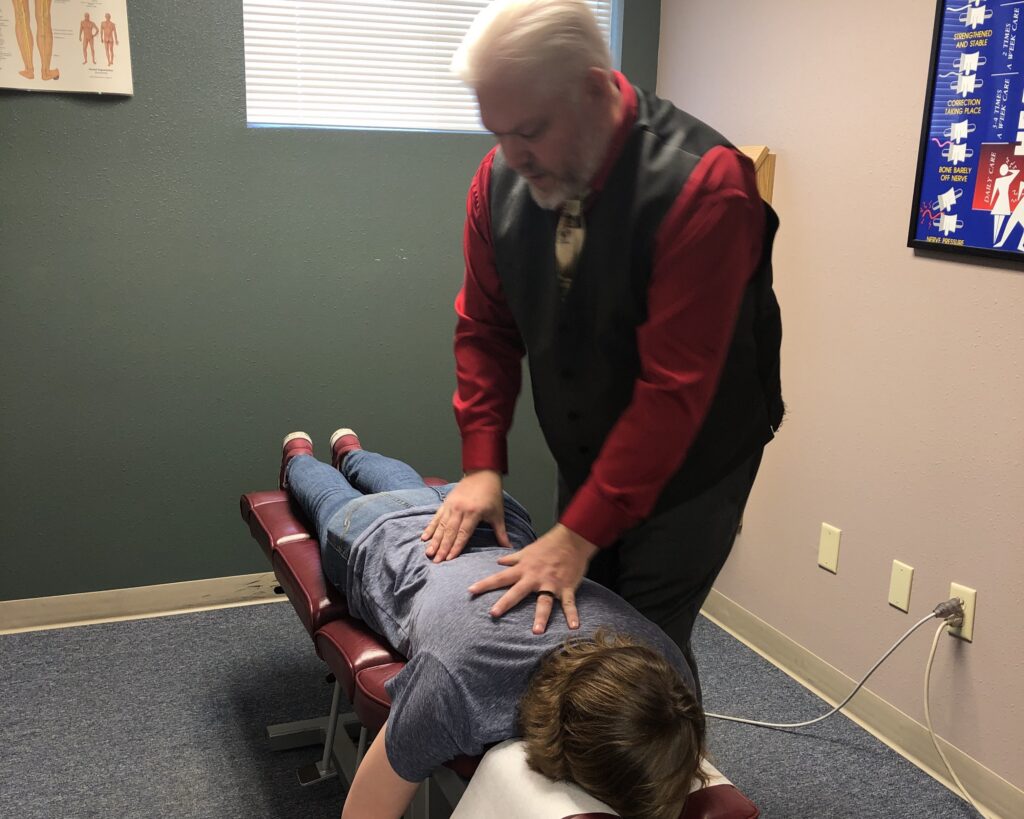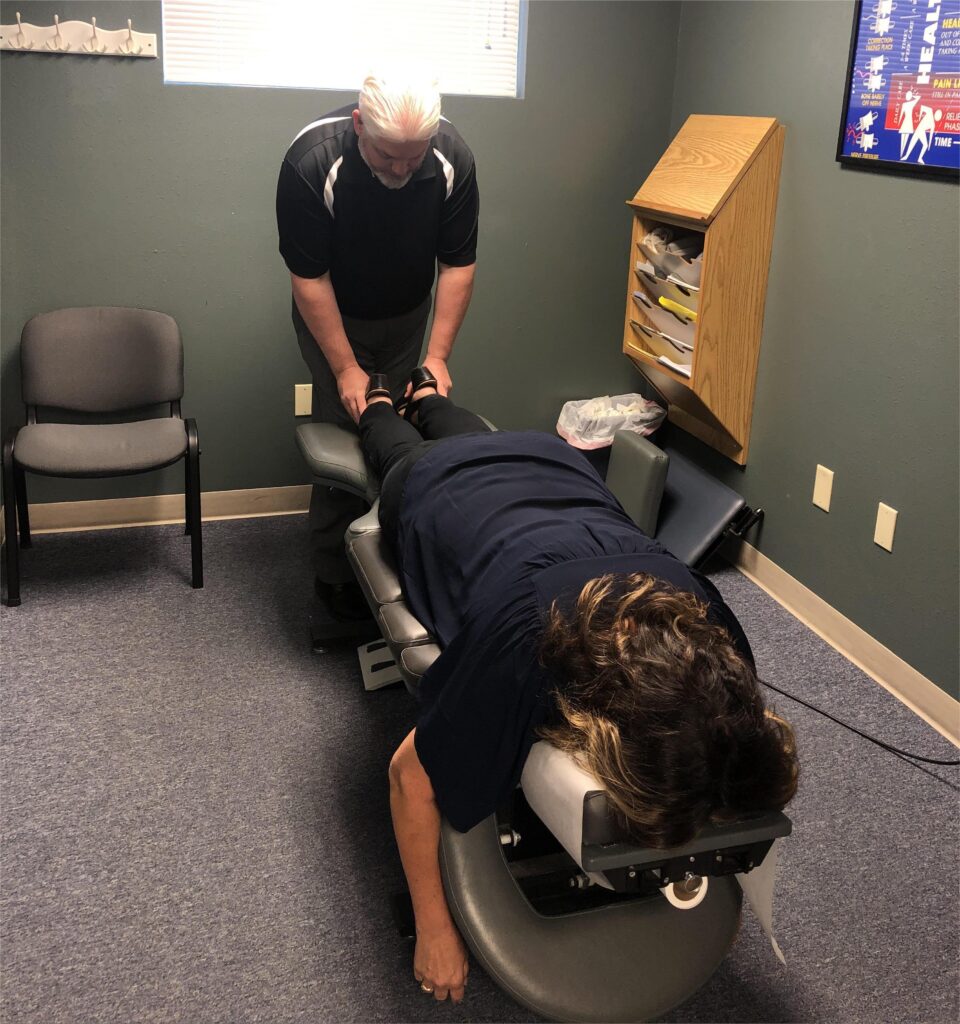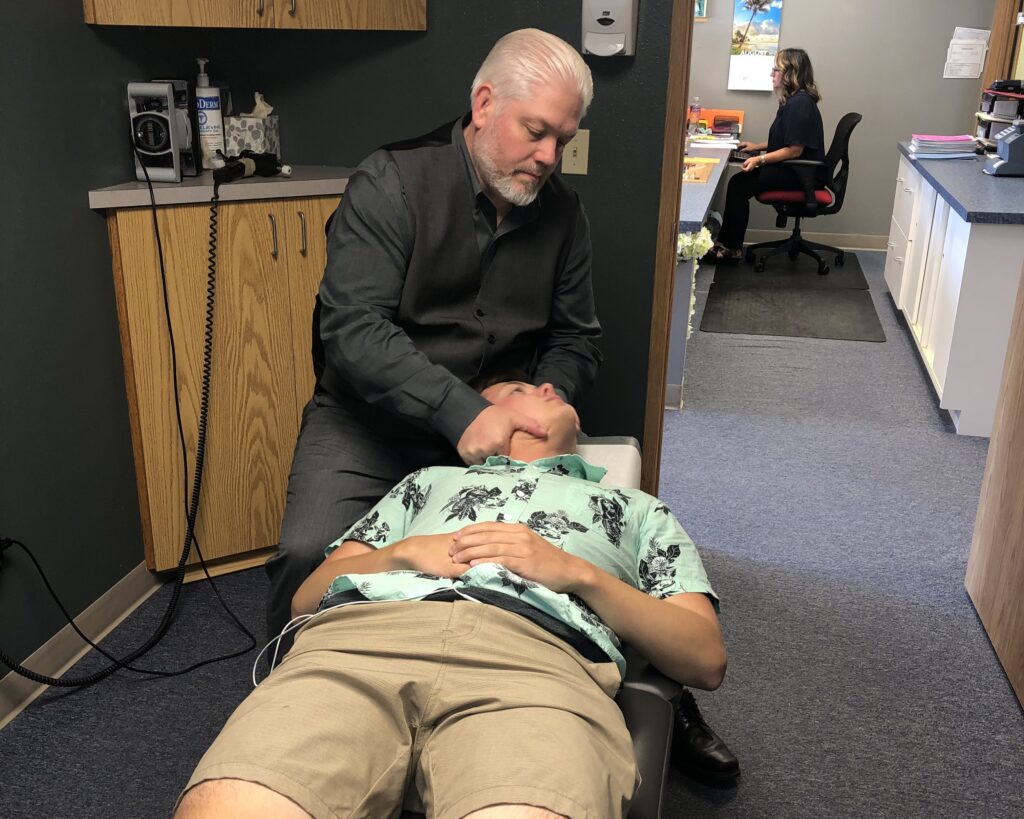

You might not realize it, but back pain isn't one-size-fits-all. Each person's experience is shaped by their unique circumstances—age, lifestyle, and specific pain triggers all play a role. That's why personalized back pain plans are essential; they not only target your specific needs but also enhance your recovery journey. By considering various treatment modalities, these plans offer an all-encompassing approach. But what exactly makes these tailored strategies so effective, and how can they transform your overall well-being?
Understanding Back Pain Variability
Back pain can vary dramatically from person to person, with factors like age, lifestyle, and underlying health conditions all playing a role. You might experience sharp, sudden pain after lifting a heavy object, while someone else may deal with a dull ache that lingers for weeks. Your age impacts this variability, as younger individuals often face different causes of pain compared to older adults, who may have degenerative conditions.
Lifestyle choices, like your level of physical activity, also influence how your back feels. If you lead a sedentary life, you might develop stiffness and discomfort, whereas regular exercise can strengthen muscles and support your spine. On the other hand, engaging in high-impact sports without proper preparation can lead to acute injuries.
Additionally, underlying health conditions, such as arthritis or scoliosis, can further complicate your back pain experience. If you have a history of these conditions, your pain may be chronic and require more specialized attention. Genetics can also play a role; you might inherit a predisposition to certain musculoskeletal issues.
Understanding these factors is essential for recognizing why your back pain isn't just like anyone else's. It's unique to you and shaped by multiple elements that affect how you feel day-to-day.
Benefits of Personalized Plans
Personalized back pain plans offer a tailored treatment approach that directly addresses your unique needs.
This customization can enhance your recovery speed, helping you get back to your daily activities faster.
Plus, with the right plan, you can achieve long-term pain management, keeping discomfort at bay for good.
Tailored Treatment Approach
A tailored treatment approach can greatly enhance your recovery from back pain. When you receive a personalized plan, it considers your unique situation, including the specific causes of your pain, your lifestyle, and your goals. This means you won't waste time or energy on ineffective treatments that don't address your needs.
By focusing on what works best for you, a tailored plan can increase your motivation and engagement. You're more likely to stick with exercises, therapies, or lifestyle changes when they're designed with your preferences in mind.
Plus, a customized approach often incorporates a variety of techniques, such as physical therapy, medication, or alternative therapies, ensuring a thorough strategy.
You'll also benefit from ongoing assessments and modifications to your plan. As you progress, your treatment can adapt to your evolving needs, making it easier to tackle challenges as they arise.
This continuous feedback loop helps you stay on track and make necessary adjustments, keeping your recovery process efficient and effective.
Ultimately, a tailored treatment approach empowers you to take control of your back pain, leading to more successful outcomes and a better quality of life. Your journey to recovery becomes a personal one, suited just for you.
Enhanced Recovery Speed
When you engage with a tailored treatment plan, you're likely to notice a faster recovery speed.
Personalized plans cater to your specific needs, addressing the unique causes of your back pain. This targeted approach not only helps in alleviating immediate discomfort but also accelerates the healing process.
You'll find that customized exercises, stretches, and therapies are designed to strengthen the areas most affected by pain, promoting quicker recovery.
Unlike generic programs, which may not suit your body's requirements, a personalized plan guarantees that every aspect of your treatment is aligned with your lifestyle and condition.
Moreover, when you monitor your progress closely with a healthcare professional, adjustments can be made on the fly, enhancing effectiveness.
This real-time feedback allows you to optimize your recovery, minimizing setbacks and maximizing results.
Long-Term Pain Management
Effective long-term pain management hinges on understanding your unique back pain triggers and responses. When you tailor your pain management plan to your specific needs, you're more likely to see lasting improvements.
Personalized plans consider your lifestyle, medical history, and even emotional well-being, allowing you to address the root causes of your discomfort rather than just masking symptoms.
By identifying what exacerbates your pain, you gain the power to avoid those triggers. This proactive approach empowers you to make informed decisions about your activities, work environment, and daily routines.
You'll likely find that certain exercises, stretches, or relaxation techniques work better for you, enhancing your ability to manage pain effectively.
Moreover, personalized plans can help you set realistic goals for your pain management journey. You won't just aim for short-term relief; you'll focus on sustainable, long-term strategies that improve your overall quality of life.
As you track your progress, you can adjust your plan based on what's working, ensuring you stay on the right path. In time, you'll build resilience, reduce reliance on medications, and reclaim control over your life, all while managing your back pain more effectively.
Key Components of Customization
To create an effective personalized back pain plan, you need to start with individual assessment techniques that pinpoint your specific issues.
From there, you can implement targeted treatment strategies that address your unique needs.
This tailored approach guarantees you get the most out of your recovery journey.
Individual Assessment Techniques
A thorough individual assessment is essential for developing a personalized back pain plan that truly meets your needs. This process involves evaluating various aspects of your health and lifestyle.
First, a detailed history of your back pain is imperative. You'll want to discuss when it started, what activities exacerbate it, and any previous treatments you've tried. This information helps identify patterns and potential triggers.
Next, physical examinations are critical. Your healthcare provider may assess your range of motion, strength, and posture. They'll look for muscle imbalances or any unusual spinal alignment that could contribute to your pain. Additionally, diagnostic imaging, like X-rays or MRIs, may be recommended to rule out underlying conditions.
Another important aspect is understanding your daily routine. Your activity level, work environment, and any stressors can impact your back pain. By considering these factors, the assessment can pinpoint specific changes that could alleviate your discomfort.
Finally, discussing your goals and preferences guarantees that the customized plan aligns with your lifestyle. This extensive individual assessment sets the foundation for creating an effective, tailored approach to managing your back pain.
Targeted Treatment Strategies
With a solid understanding of your back pain through the individual assessment, it's time to explore targeted treatment strategies that cater specifically to your situation.
These strategies are designed to address the unique factors contributing to your discomfort, ensuring a more effective approach to relief.
Here are four key components of customization:
- Physical Therapy: Engaging in tailored exercises can strengthen your back and improve flexibility. A skilled therapist will create a regimen that suits your specific needs.
- Pain Management Techniques: This may include medication, acupuncture, or chiropractic adjustments. Finding the right combination can greatly reduce your pain levels.
- Lifestyle Modifications: Adjusting your daily activities, such as workstation ergonomics or sleep positions, can have a profound impact on managing your pain.
- Mind-Body Approaches: Techniques like mindfulness, yoga, or meditation can help you cope with pain by reducing stress and enhancing your overall well-being.
Role of Patient Assessment
Understanding the role of patient assessment in developing personalized back pain plans is crucial for effective treatment. When you first consult a healthcare provider about your back pain, a detailed assessment helps identify the root causes of your discomfort. This process often involves discussing your medical history, physical examinations, and possibly diagnostic tests. By gathering this information, your provider can tailor a treatment plan that addresses your specific needs.
During the assessment, you'll likely be asked about your symptoms, including when they started, their intensity, and how they affect your daily activities. This information is essential, as it helps your provider pinpoint whether your pain is acute or chronic and whether it's linked to any underlying conditions.
Additionally, your lifestyle, including your work environment and physical activity levels, plays a significant role in understanding your pain.
The assessment also serves as a starting point for measuring your progress. By establishing a baseline, your provider can track improvements or adjustments in your treatment plan over time. This ongoing evaluation guarantees you're on the right path to recovery.
Ultimately, a thorough patient assessment sets the stage for effective personalized back pain plans. It empowers you and your healthcare provider to work together towards a solution that not only alleviates your pain but also enhances your overall quality of life.
Taking the time to understand your unique situation is the first step in your journey toward relief.
Integrating Lifestyle Factors
Integrating lifestyle factors into your personalized back pain plan is fundamental for achieving long-term relief. Your daily habits and routines play a significant role in how your body feels and functions. By making conscious changes, you can help alleviate pain and prevent future issues.
Here are four key lifestyle factors to evaluate:
- Exercise: Regular physical activity strengthens your muscles, improves flexibility, and enhances overall body mechanics. Aim for a balanced routine that includes strength training, stretching, and low-impact cardio.
- Nutrition: What you eat affects your body's inflammation levels and overall health. Focus on a diet rich in whole foods, including fruits, vegetables, lean proteins, and healthy fats. Staying hydrated is also essential for muscle function and recovery.
- Sleep: Quality sleep is crucial for your body to heal and recharge. Establish a sleep routine that promotes consistent rest, aiming for 7-9 hours per night. Consider creating a calm environment and limiting screen time before bed.
- Stress Management: Chronic stress can exacerbate back pain. Incorporate relaxation techniques such as mindfulness, meditation, or yoga into your daily life. These practices can help you manage stress and improve your overall well-being.
Long-Term Wellness Outcomes
Achieving long-term wellness outcomes from your personalized back pain plan hinges on consistent effort and dedication to the lifestyle changes you've made. When you actively engage in your treatment, you're not just alleviating pain; you're building a foundation for a healthier, more resilient back. This journey requires you to stay committed to the exercises, stretches, and habits tailored for your specific needs.
As you incorporate these changes, you'll likely notice improvements in your overall physical fitness, flexibility, and strength. These enhancements don't just relieve pain; they also equip you to handle daily activities with greater ease. You'll find that managing stress through mindfulness and proper breathing techniques positively impacts your back health, too.
Regular check-ins with your healthcare provider are essential. They'll help you track progress, adjust your plan as necessary, and motivate you to stay on course. Remember, the goal isn't just to eliminate pain but to foster a lifestyle that prevents future issues.
Moreover, surrounding yourself with supportive friends or family can greatly boost your motivation. Share your goals with them; their encouragement can keep you accountable.
Ultimately, the path to long-term wellness is a marathon, not a sprint. By remaining focused on your personalized back pain plan and making adjustments as needed, you're not only combating pain but also investing in a healthier future.
Embrace this journey, and celebrate the small victories along the way. Your back will thank you for it.
Conclusion
In summary, personalized back pain plans are essential for addressing your unique needs and circumstances. By considering factors like age and lifestyle, these tailored approaches can greatly enhance your recovery and overall well-being. Incorporating various techniques guarantees you not only relieve pain but also empower yourself to lead a healthier life. Embracing a customized plan means taking control of your back pain and setting the stage for long-term wellness and improved quality of life.